
This project is my first personal motion graphics short film — a small, simple story built around a single action: an exhausted office worker trying to turn off the light without getting up.
What begins as a quiet, relatable moment slowly escalates into an emotional and visual journey, driven by humor, timing, and atmosphere.
The goal of the project was not only to create a visually engaging animation, but to explore how storytelling, design, motion, and sound can work together to communicate emotion without dialogue or actors — just through movement and timing.
The project started with fast, rough sketches.
These were not about beauty — they were about thinking.
These were not about beauty — they were about thinking.
At this stage, I was shaping the film visually: exploring camera angles, shot sizes, perspective, and rhythm.
I planned where the camera should feel distant and where it should move closer to the character, using wide shots for action, medium shots for performance, and close-ups for emotion.
I planned where the camera should feel distant and where it should move closer to the character, using wide shots for action, medium shots for performance, and close-ups for emotion.
These sketches allowed me to experiment freely and make storytelling decisions early, before committing to any detailed design.
They became the foundation of the film’s pacing, mood, and visual flow.
They became the foundation of the film’s pacing, mood, and visual flow.
Storyboard
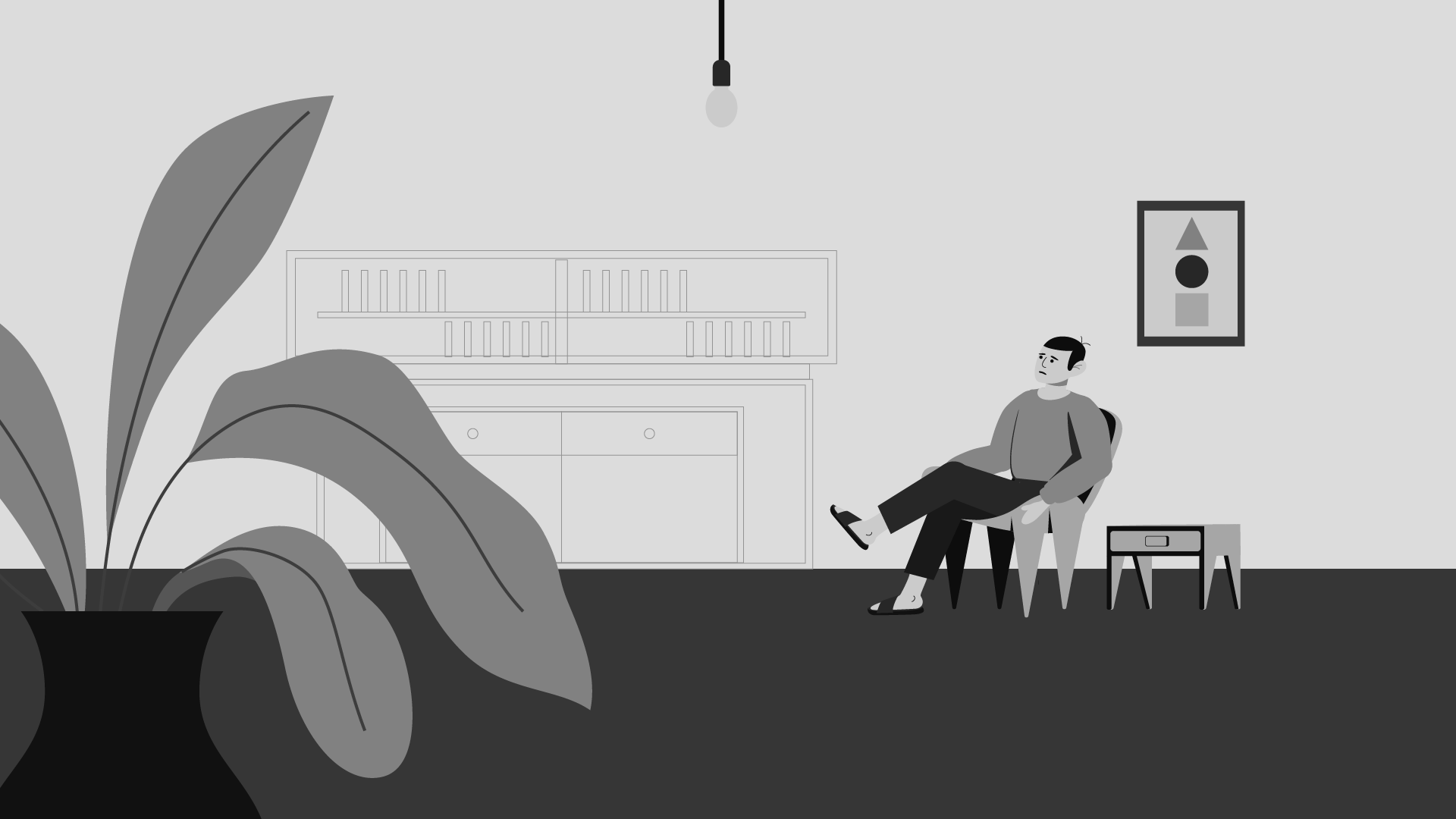
After defining the core idea of the film, I moved into storyboarding — the stage where the project began to take shape.
Here, rough concepts evolved into clear visual storytelling.
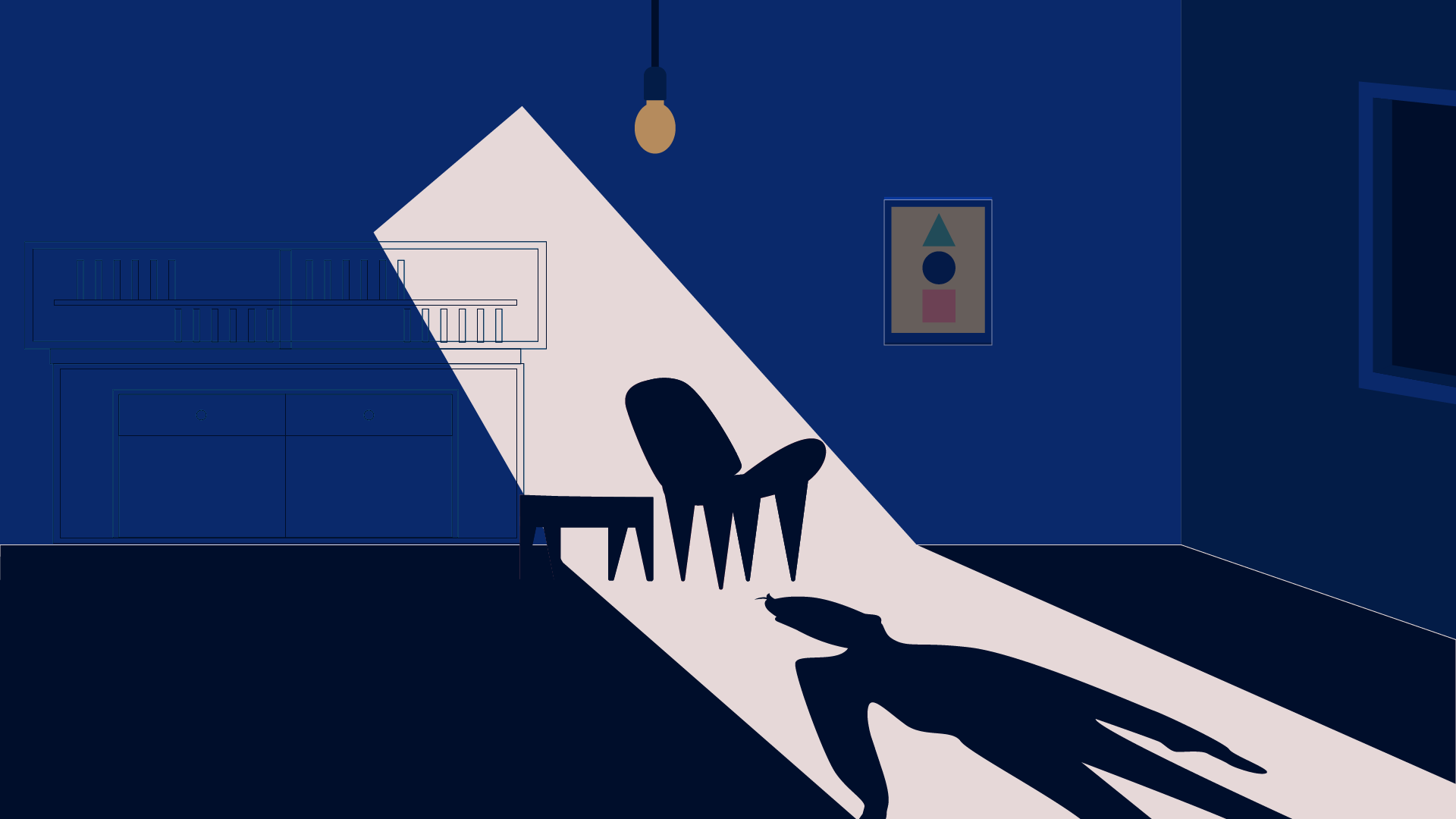
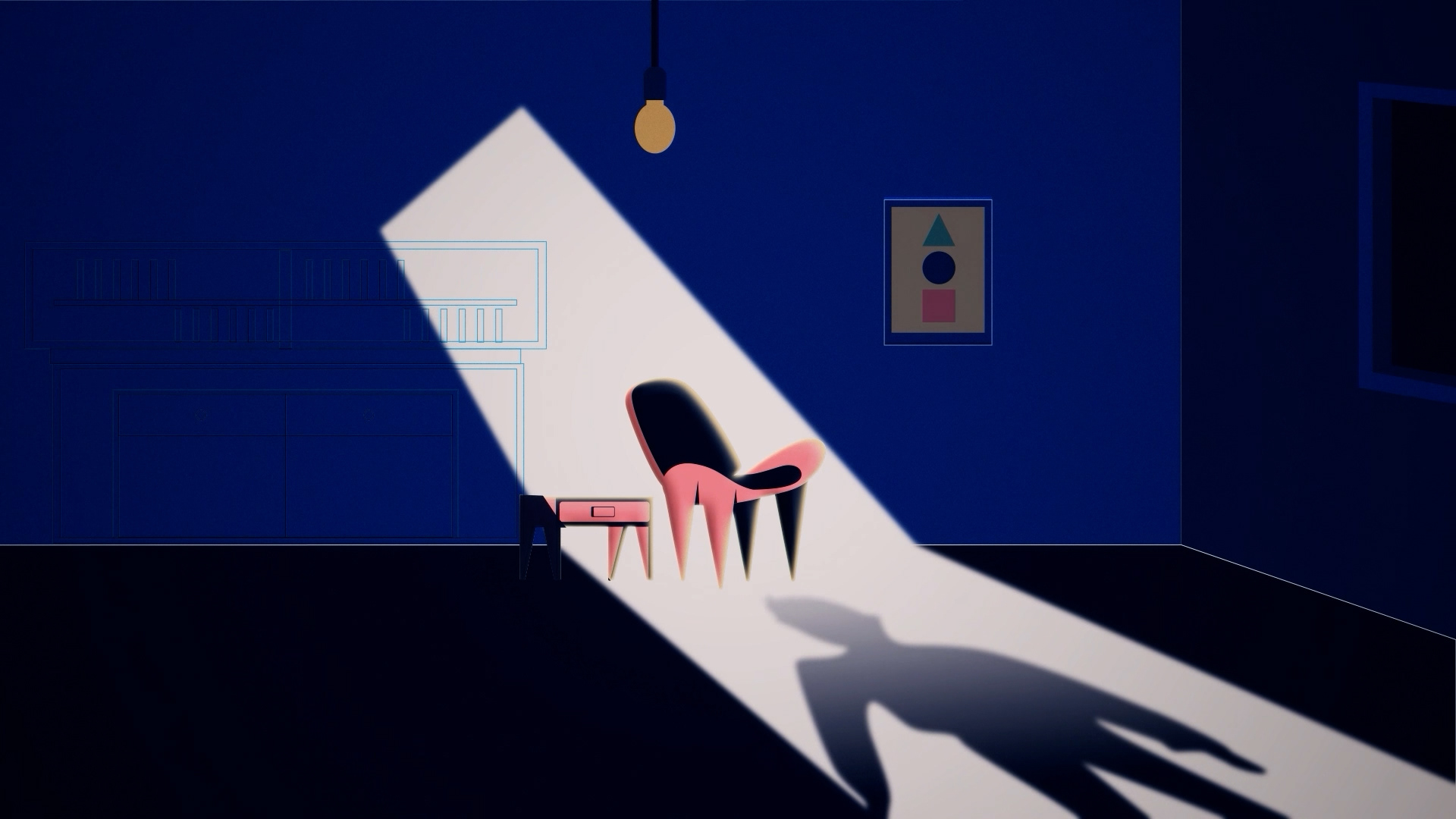
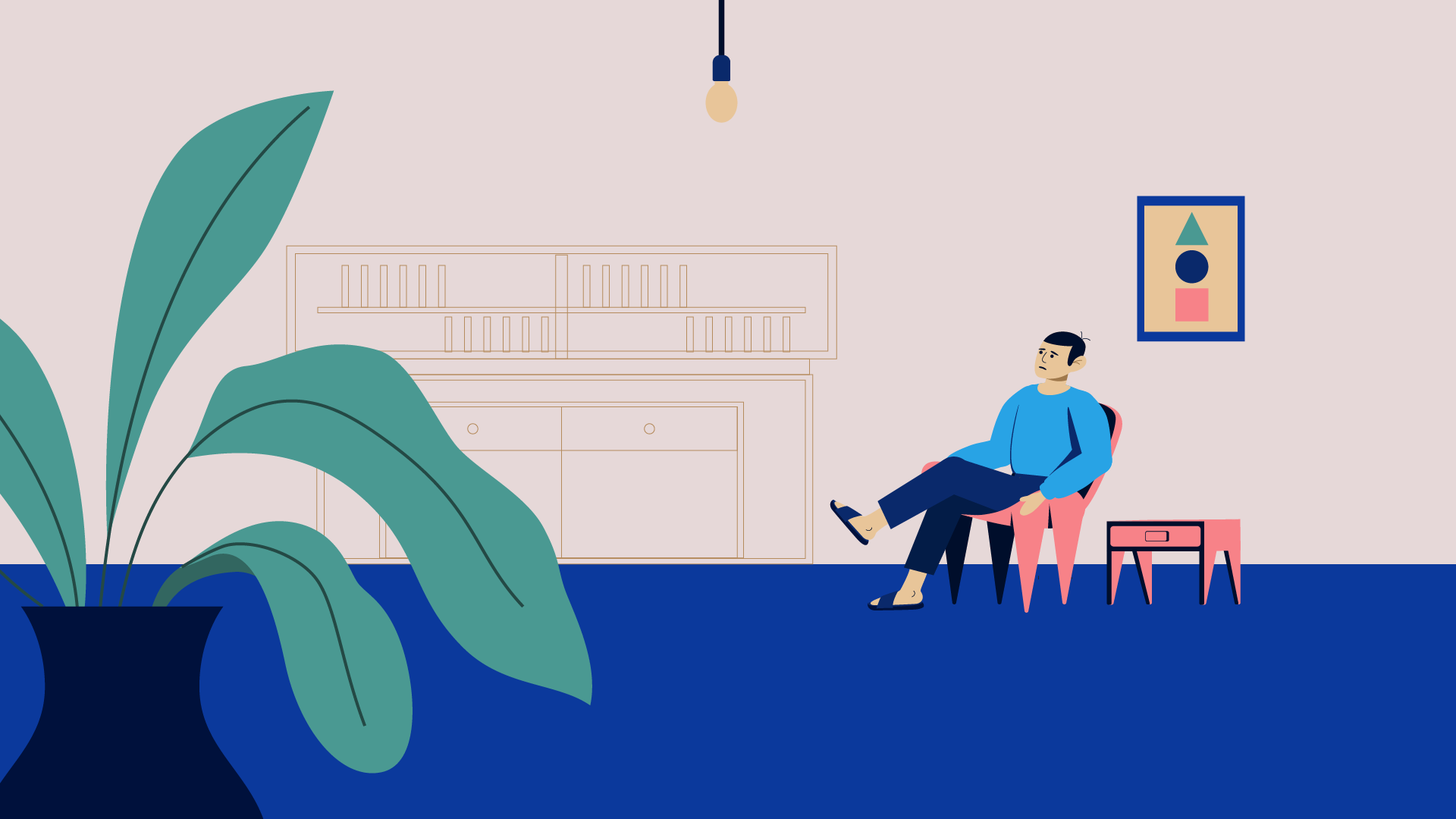
I designed the compositions, environments, and key moments of each scene while shaping the camera language of the film.
I designed the compositions, environments, and key moments of each scene while shaping the camera language of the film.
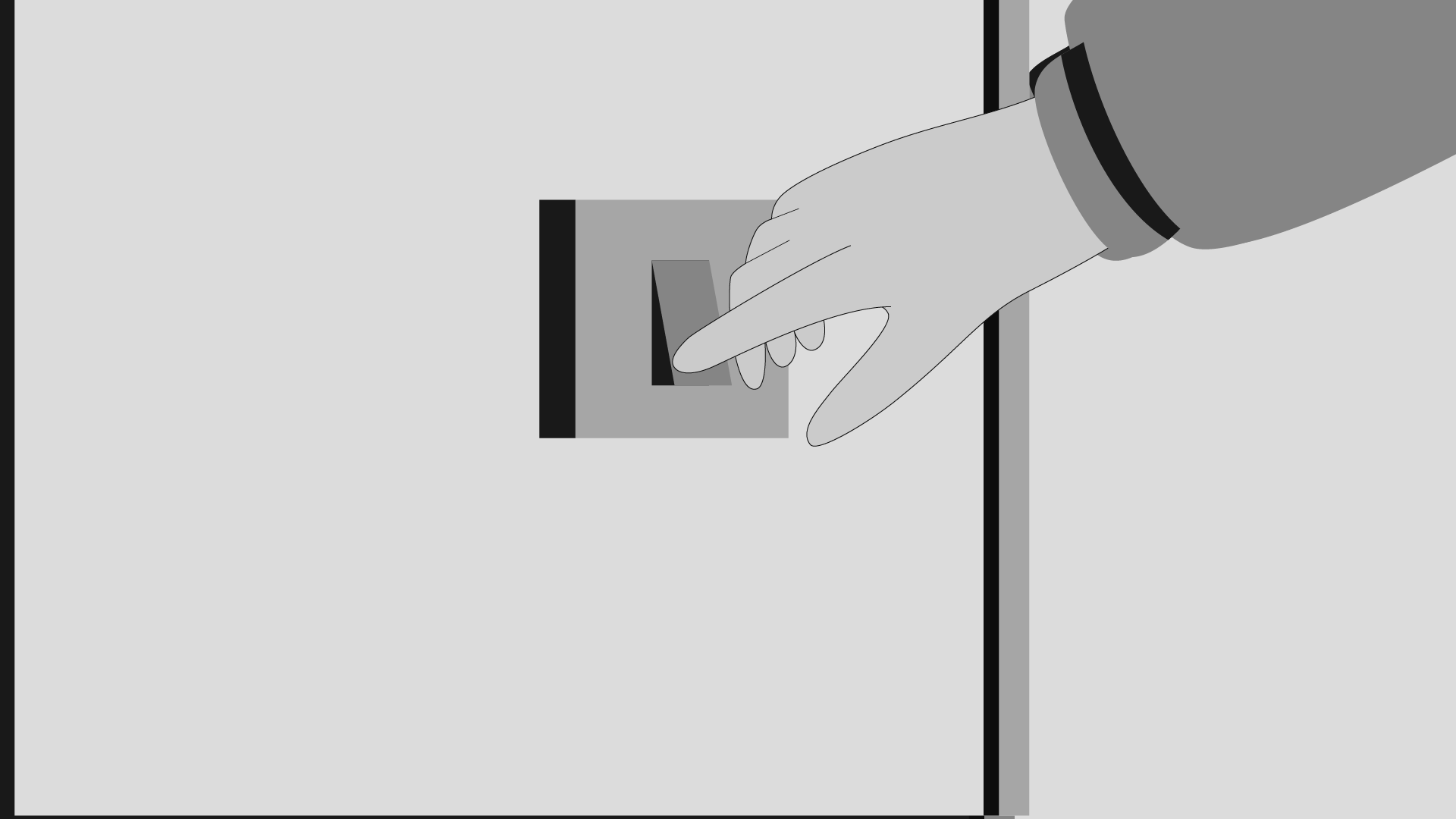
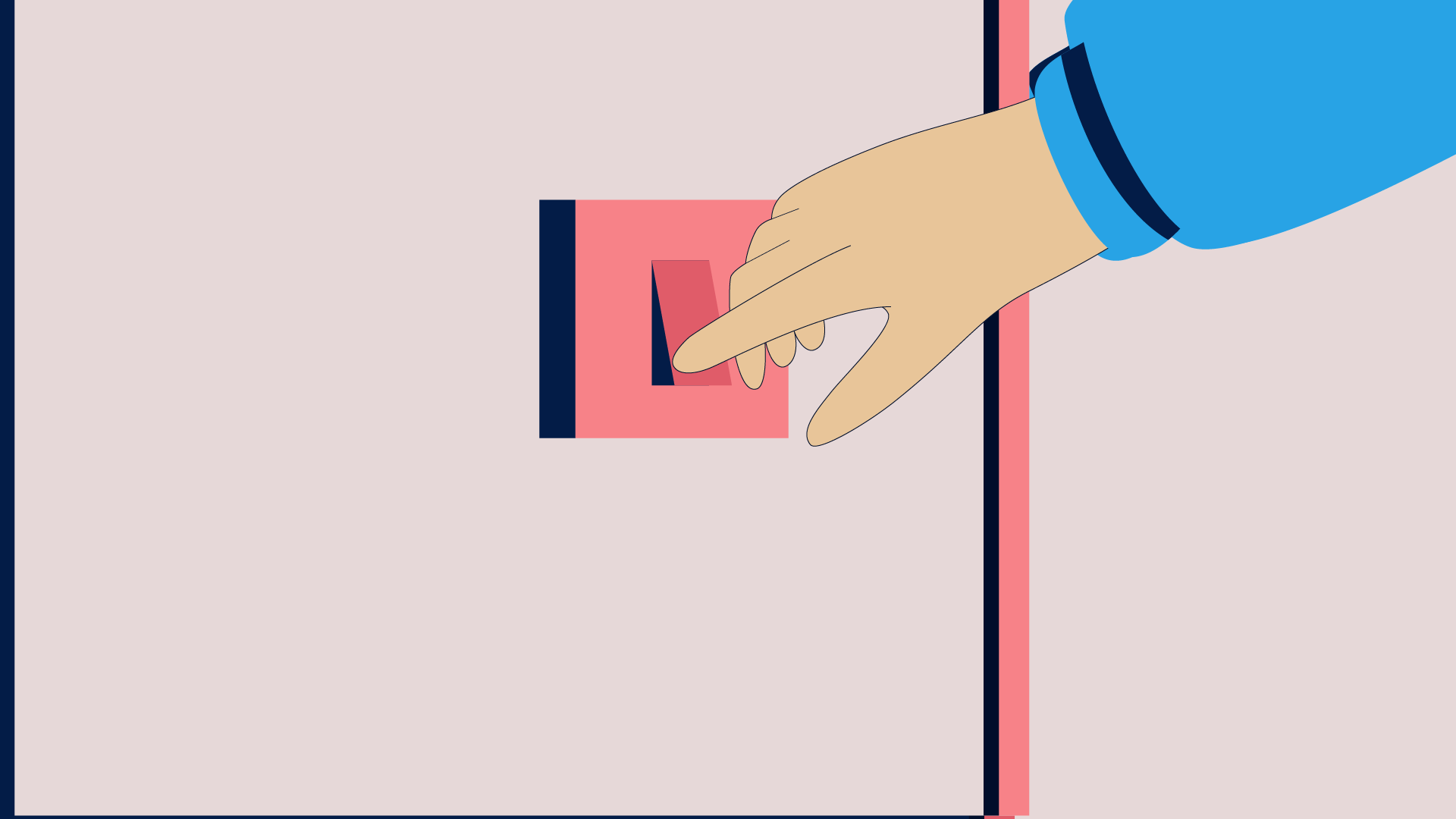
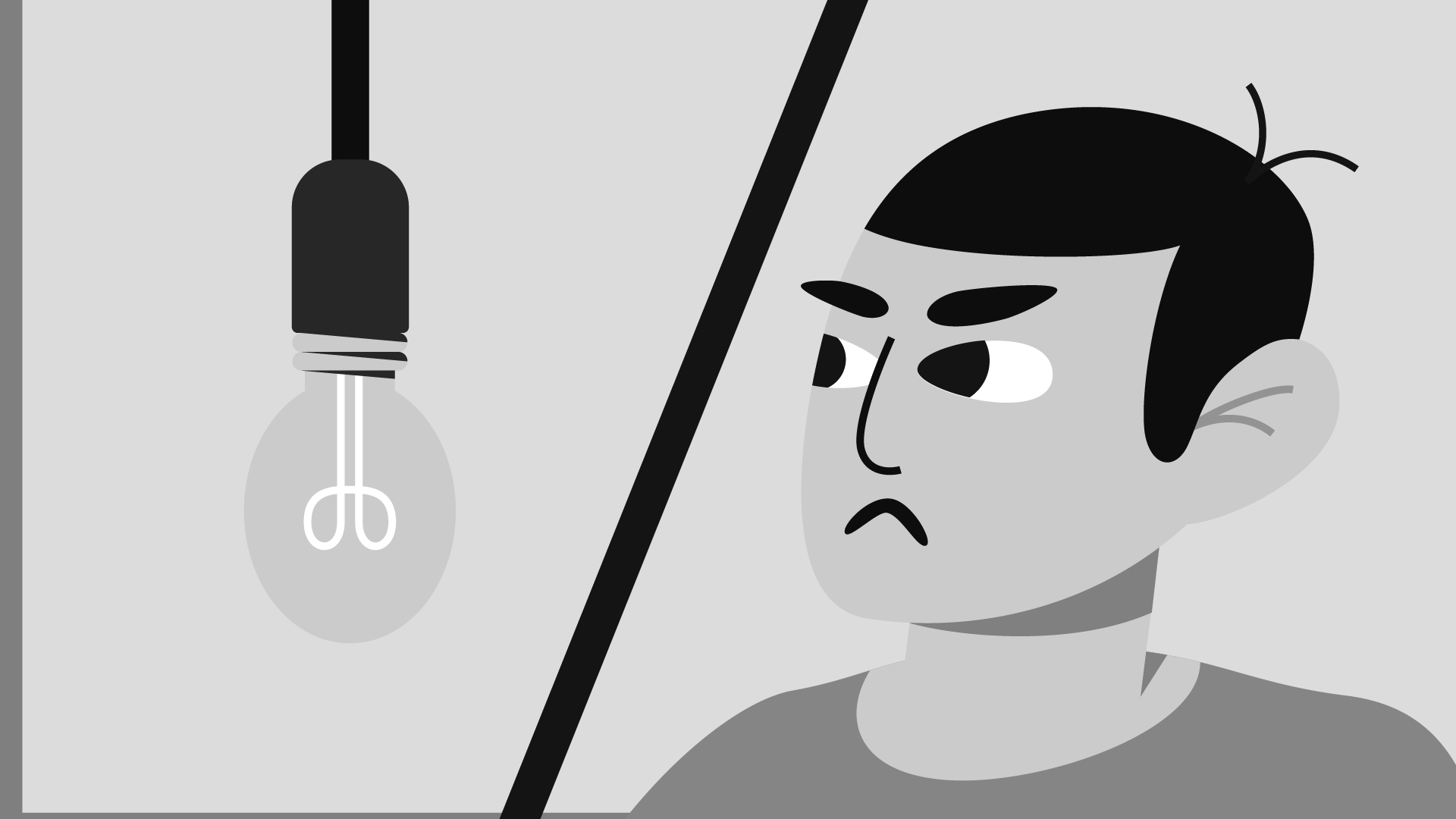
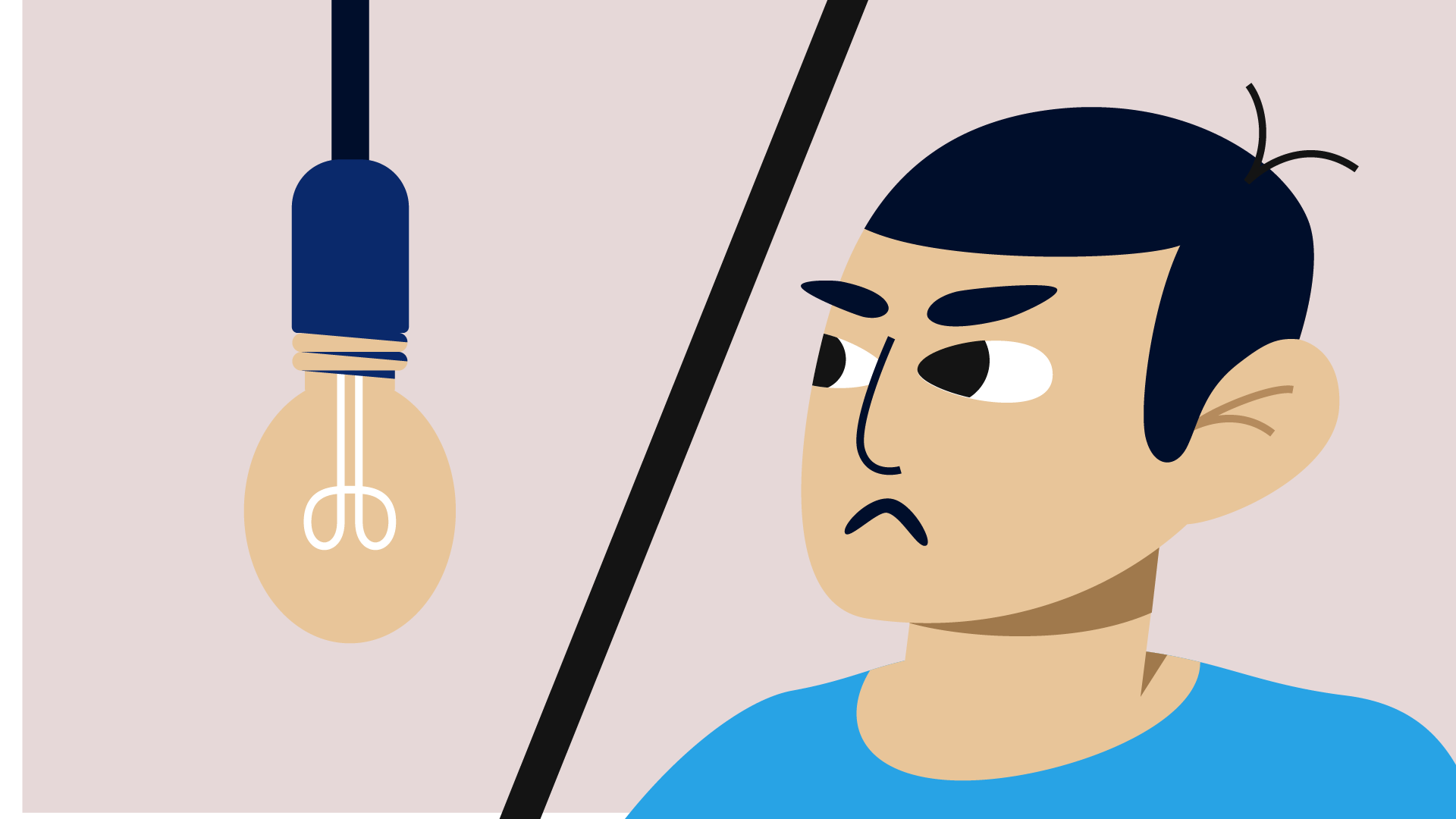
I carefully planned the rhythm of the film through shot selection — wide shots for action, medium shots for performance, and close-ups for emotion, allowing the narrative to unfold naturally.
The storyboard became the blueprint of the entire film, defining its pacing, mood, transitions, and overall direction.
Design process
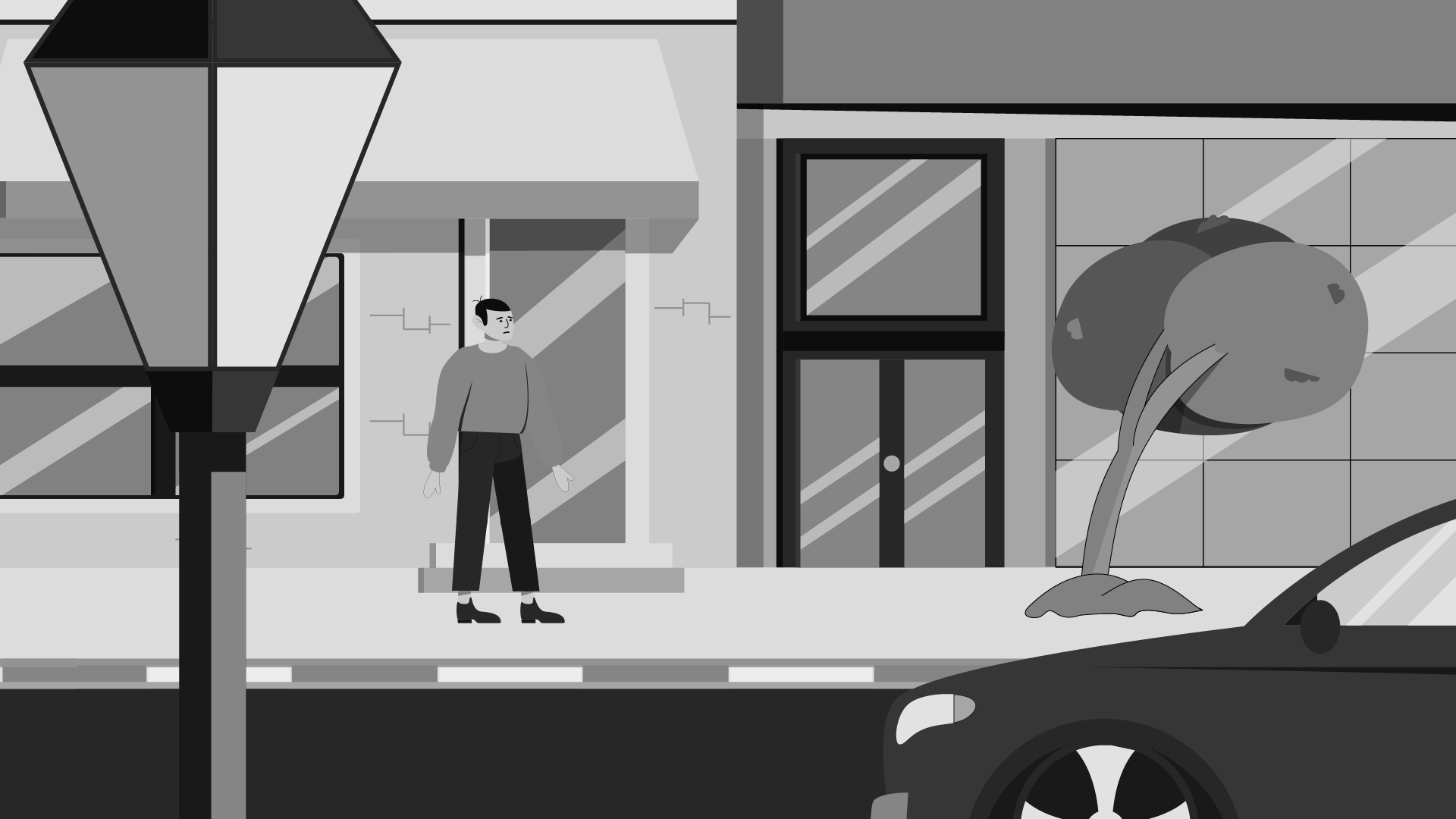
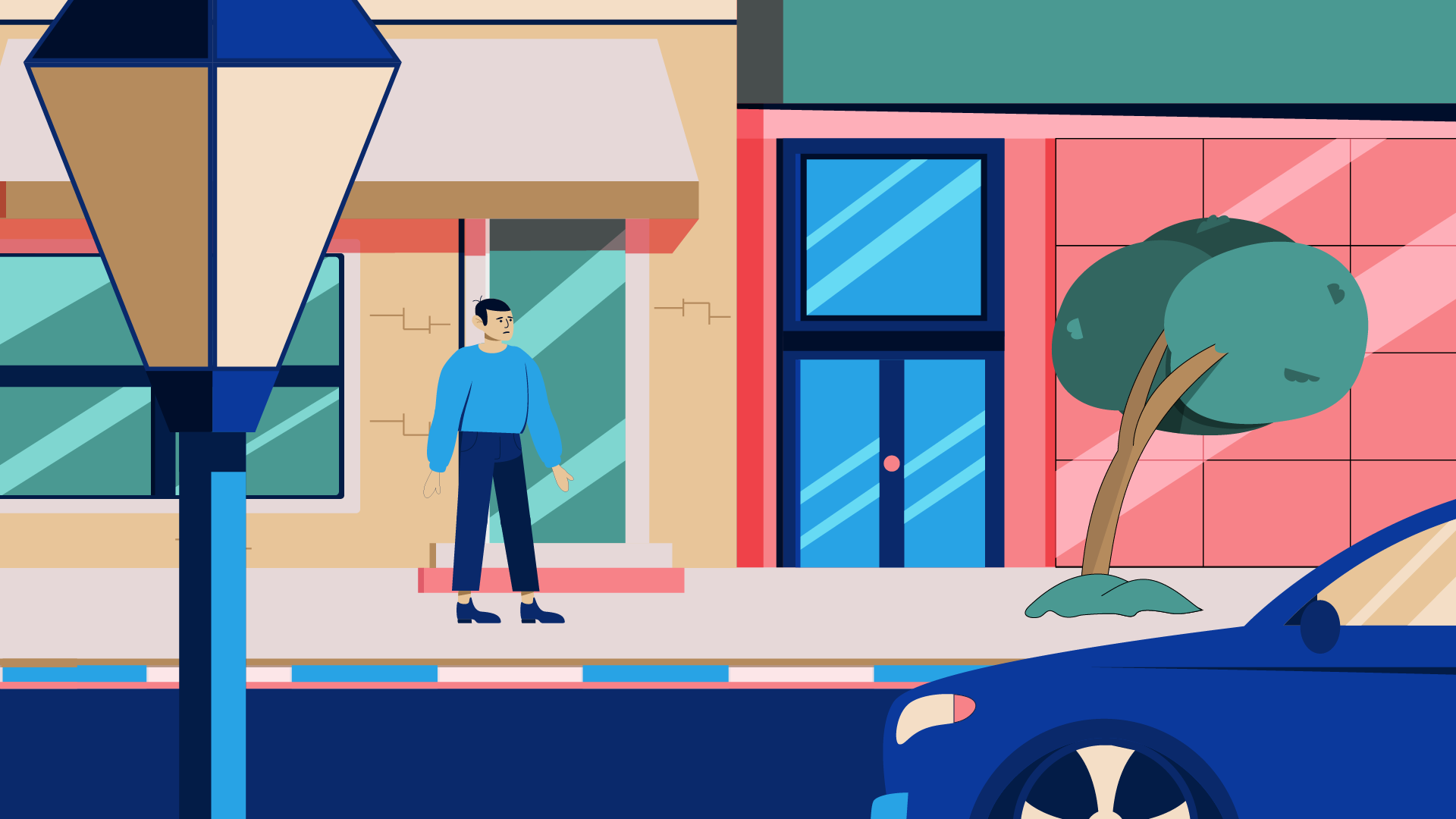
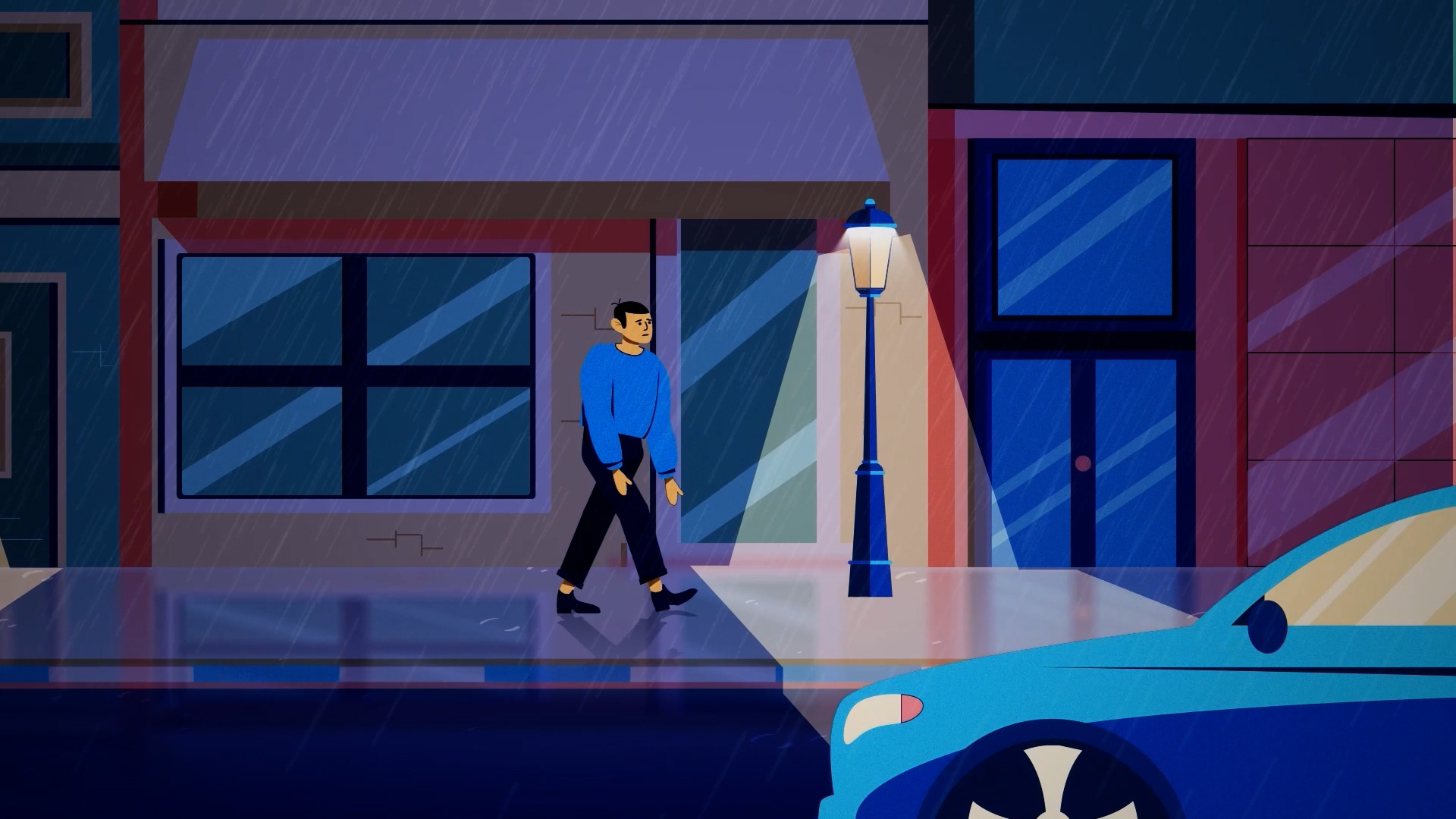
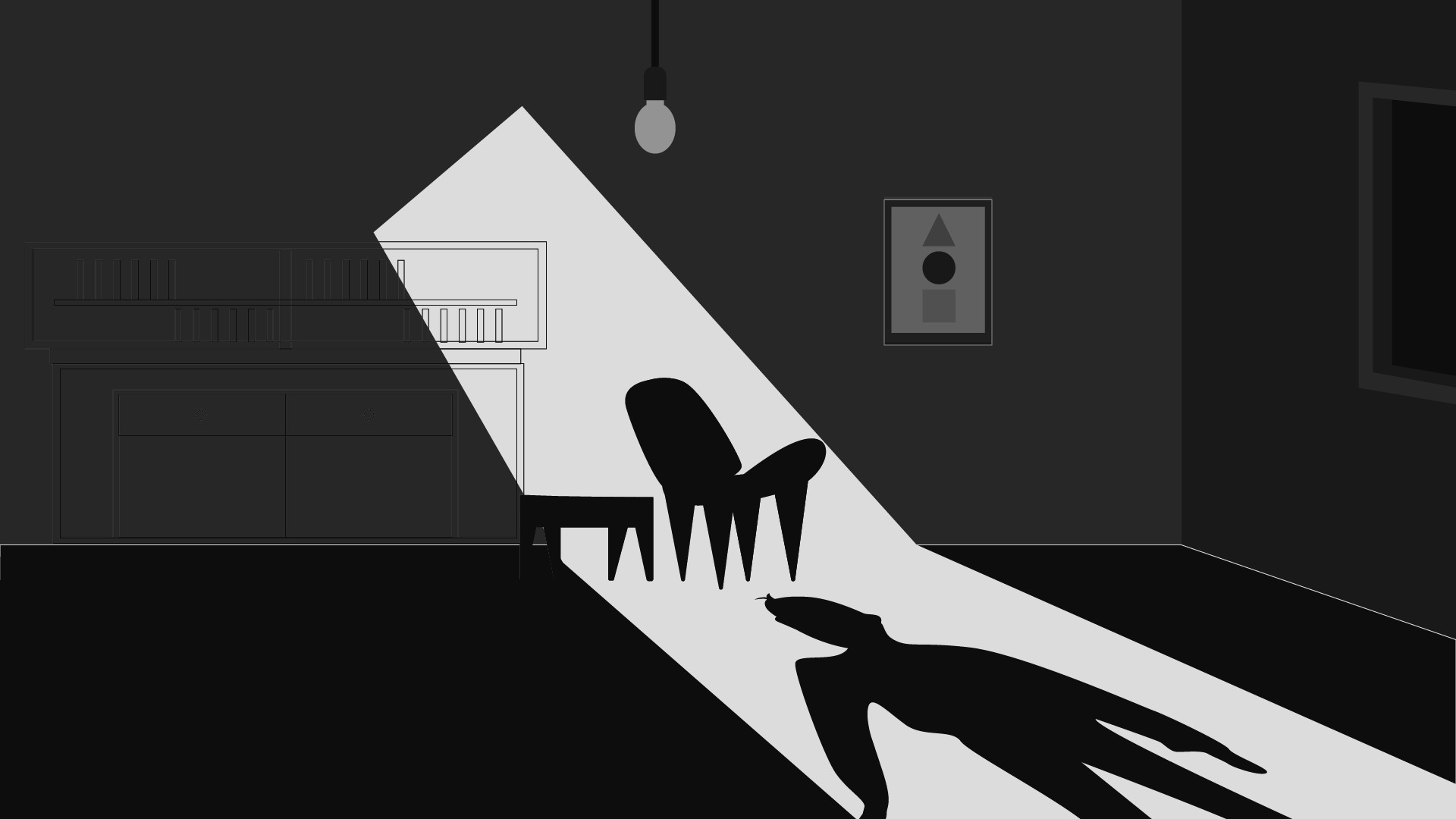
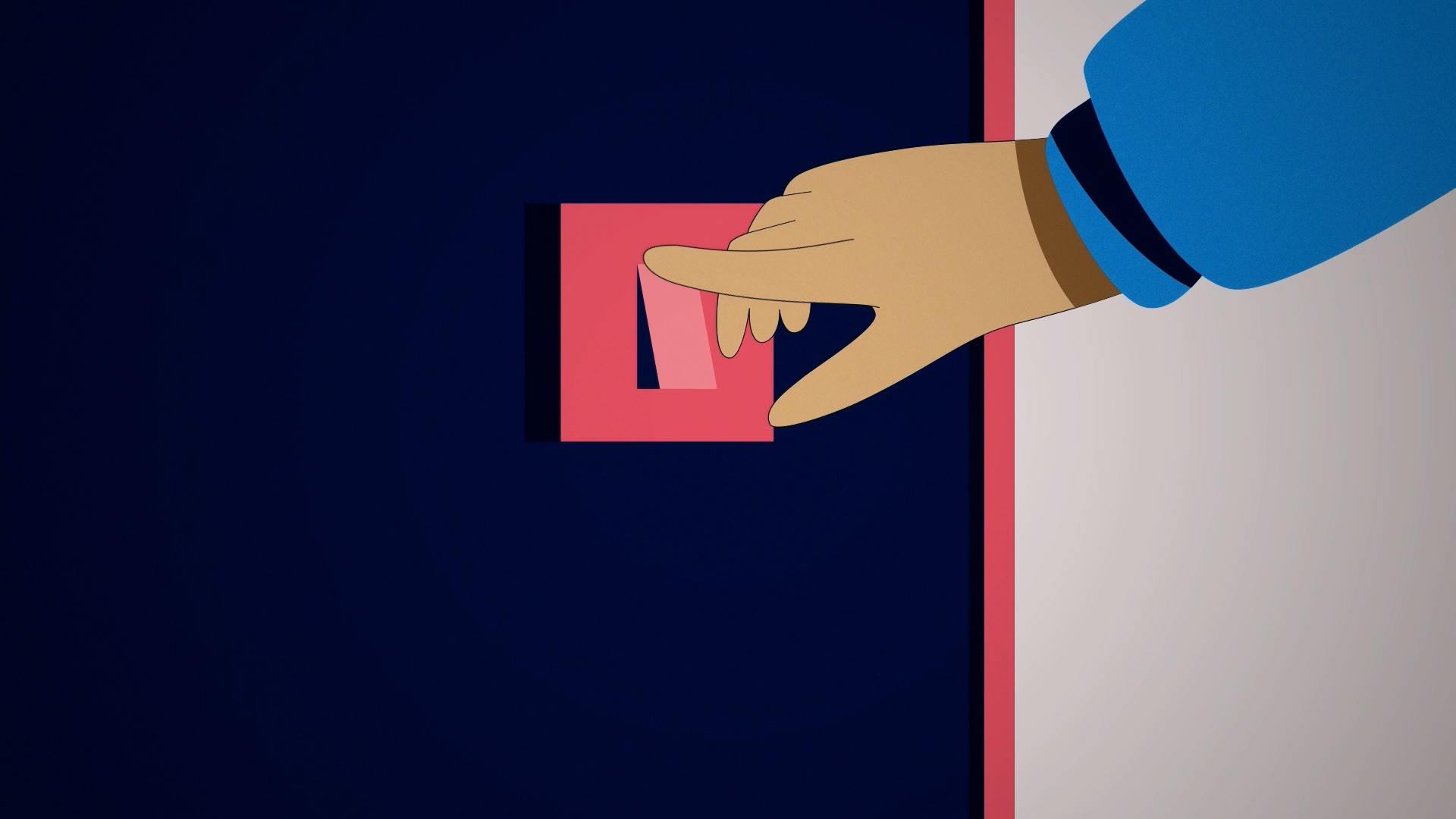

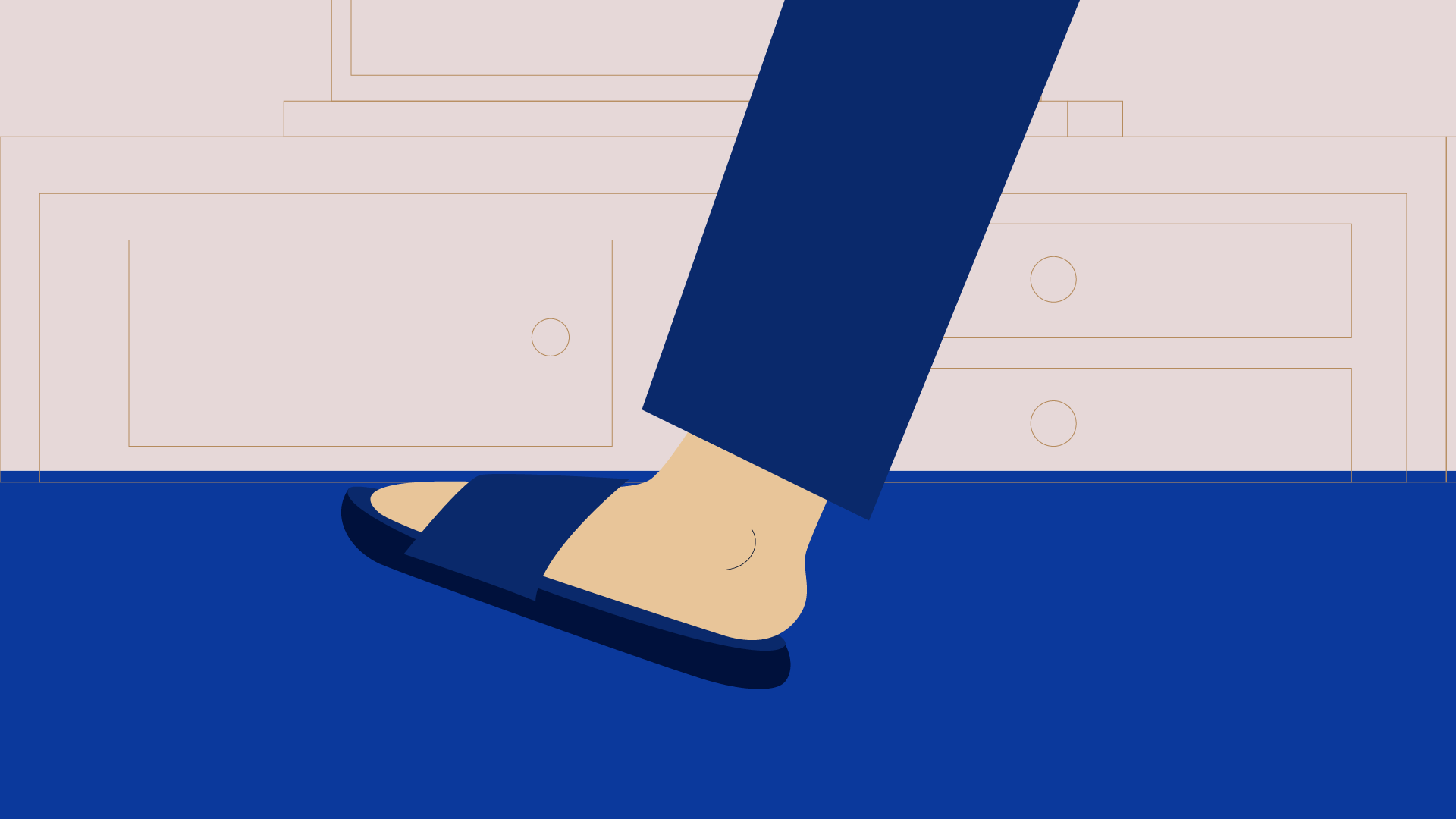
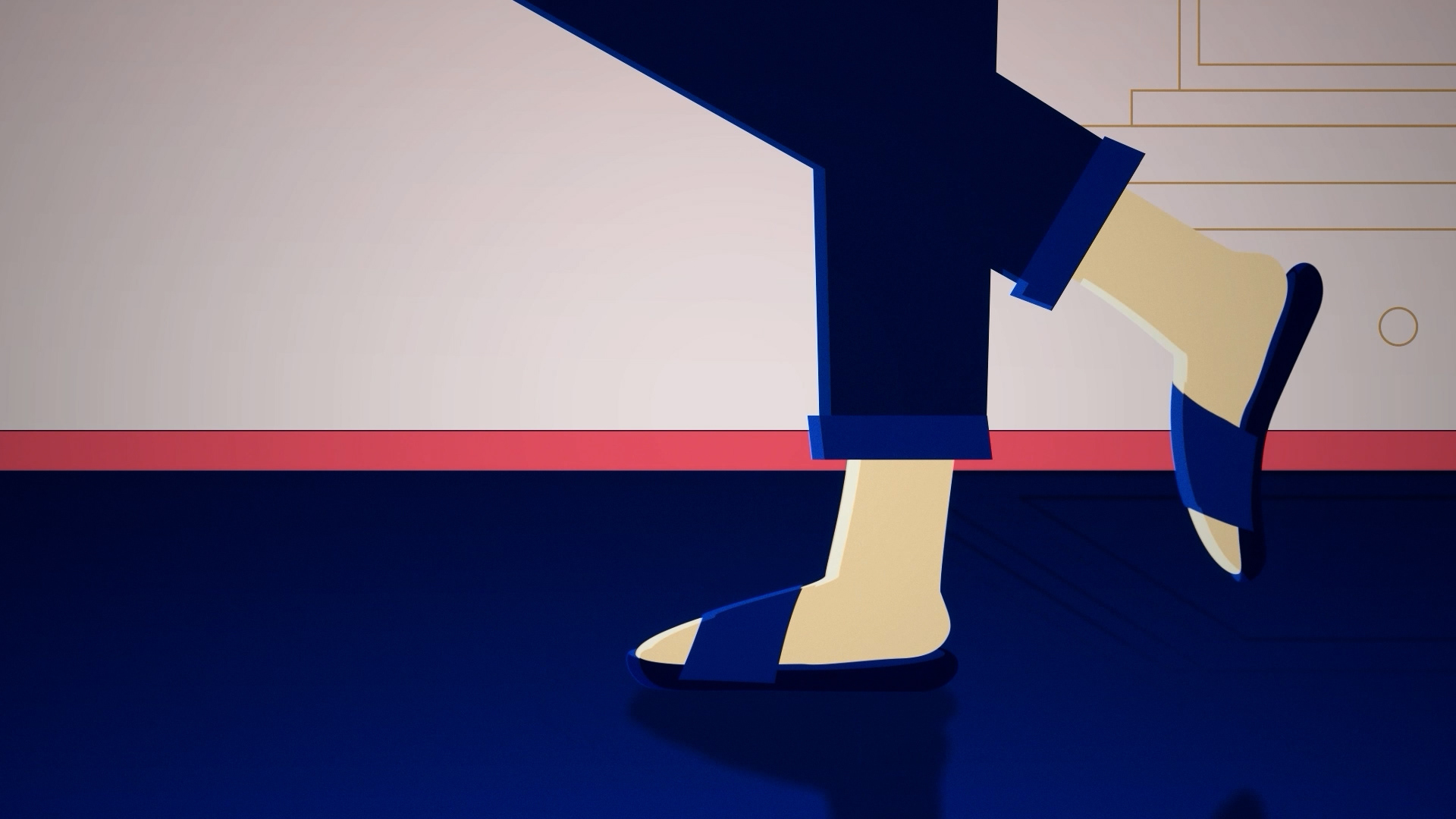
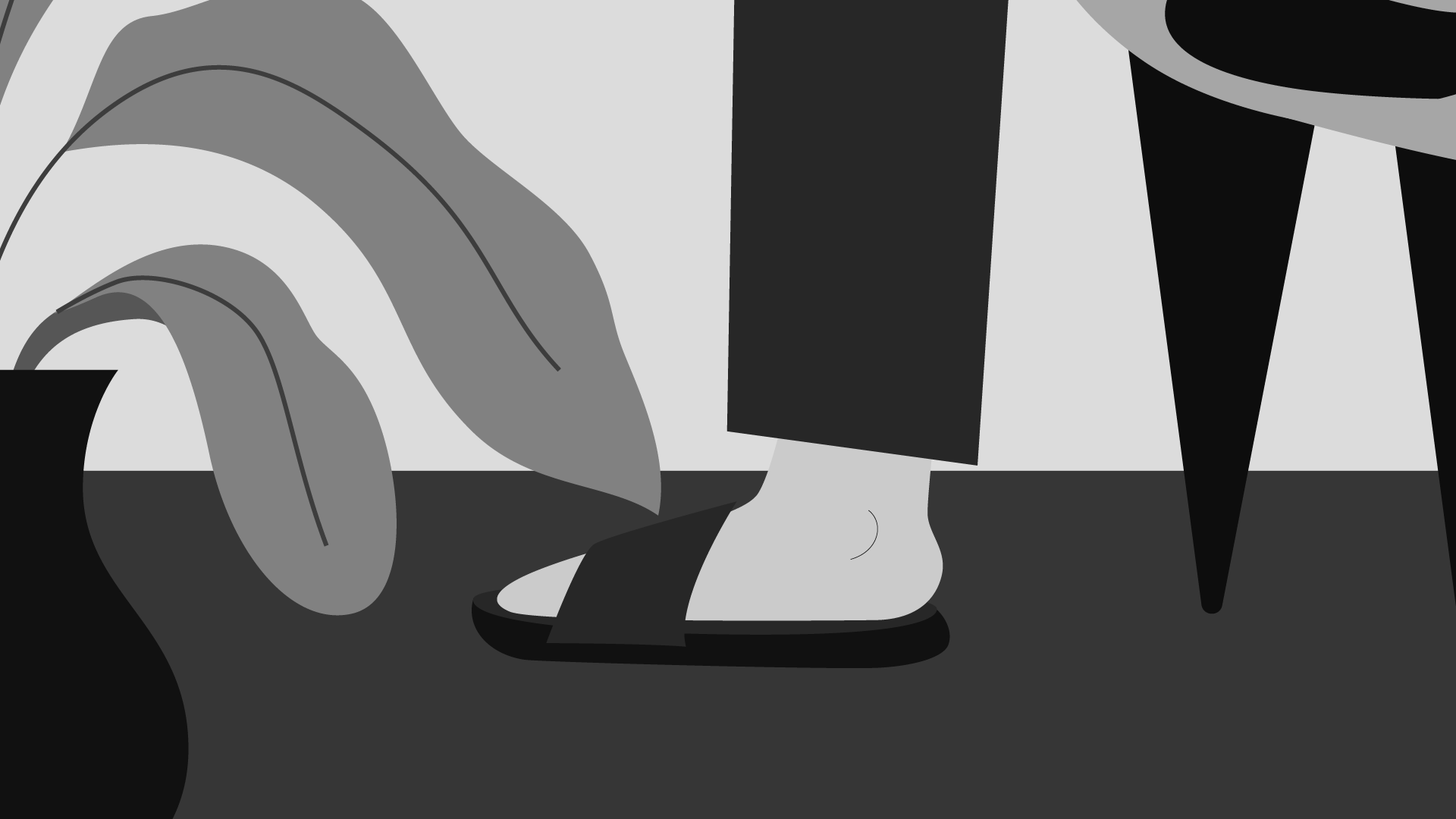
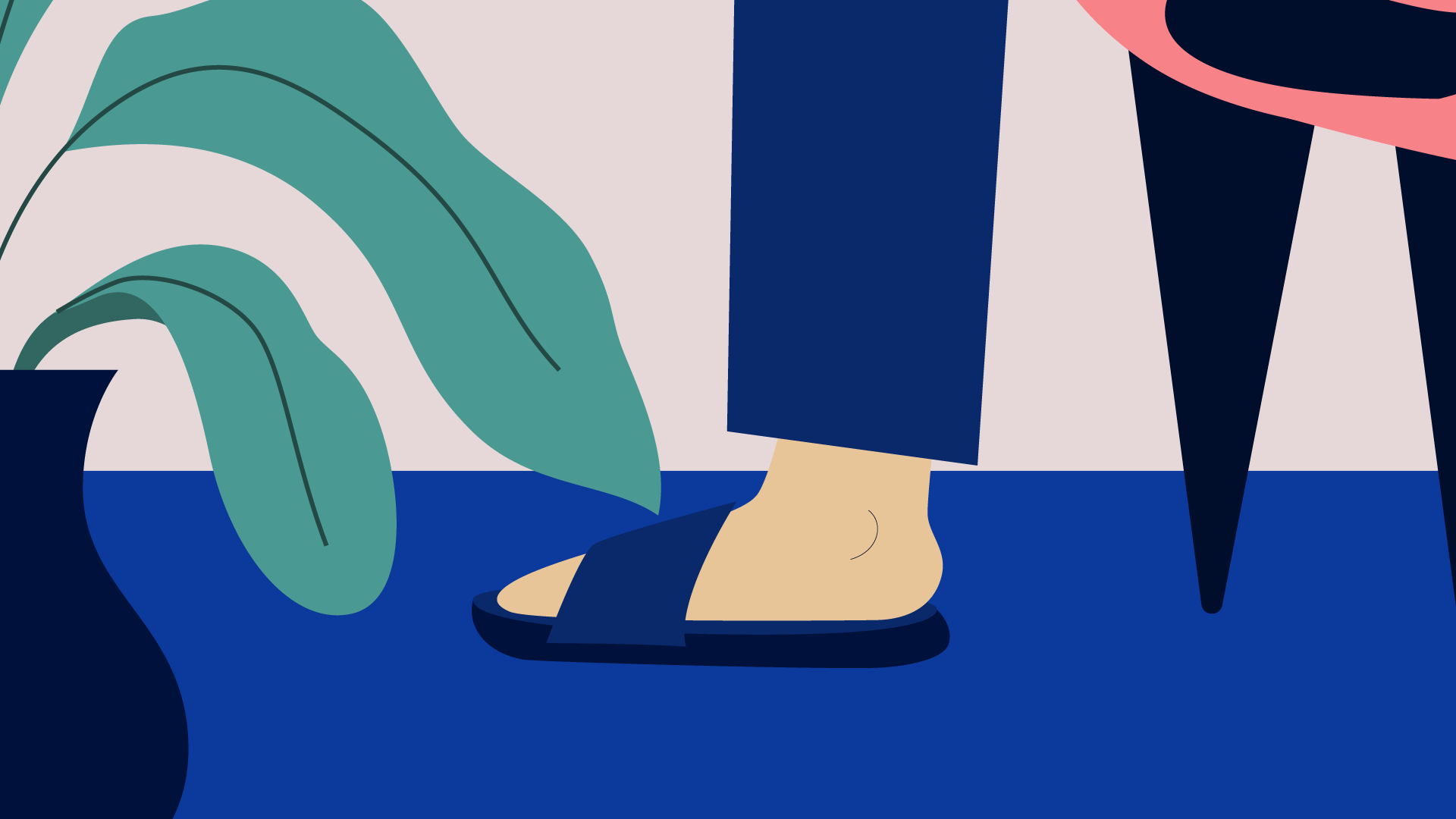
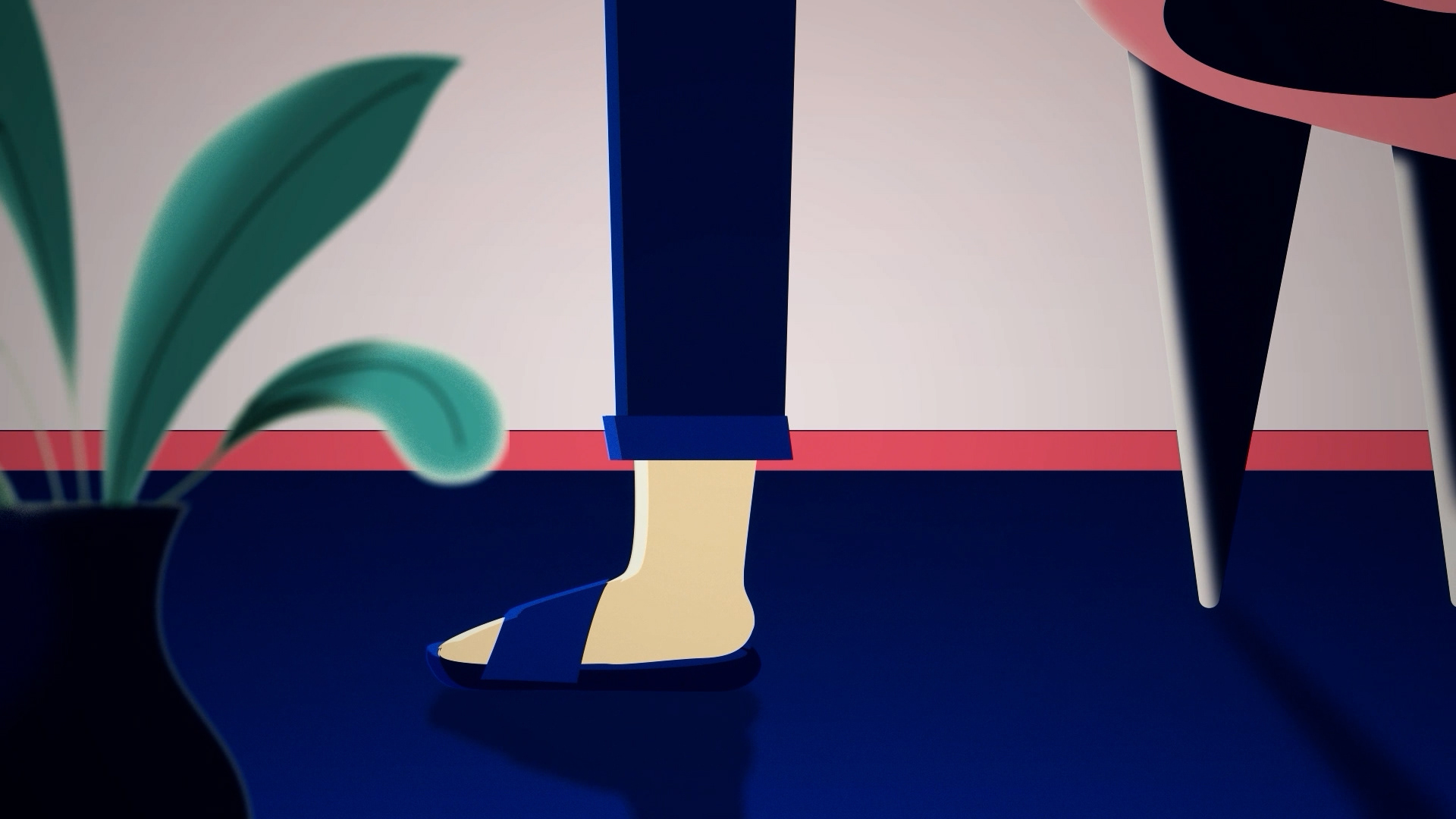

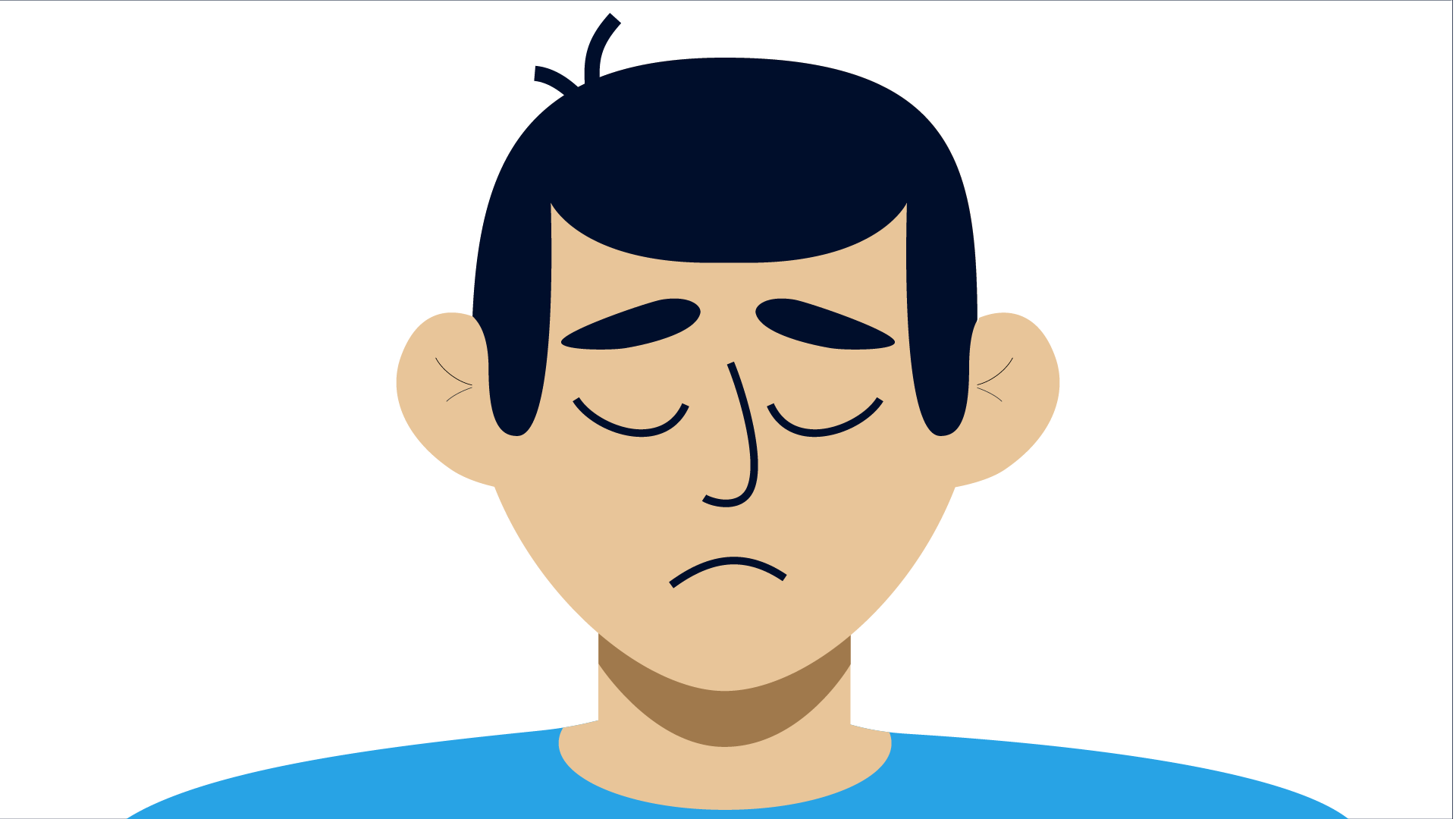
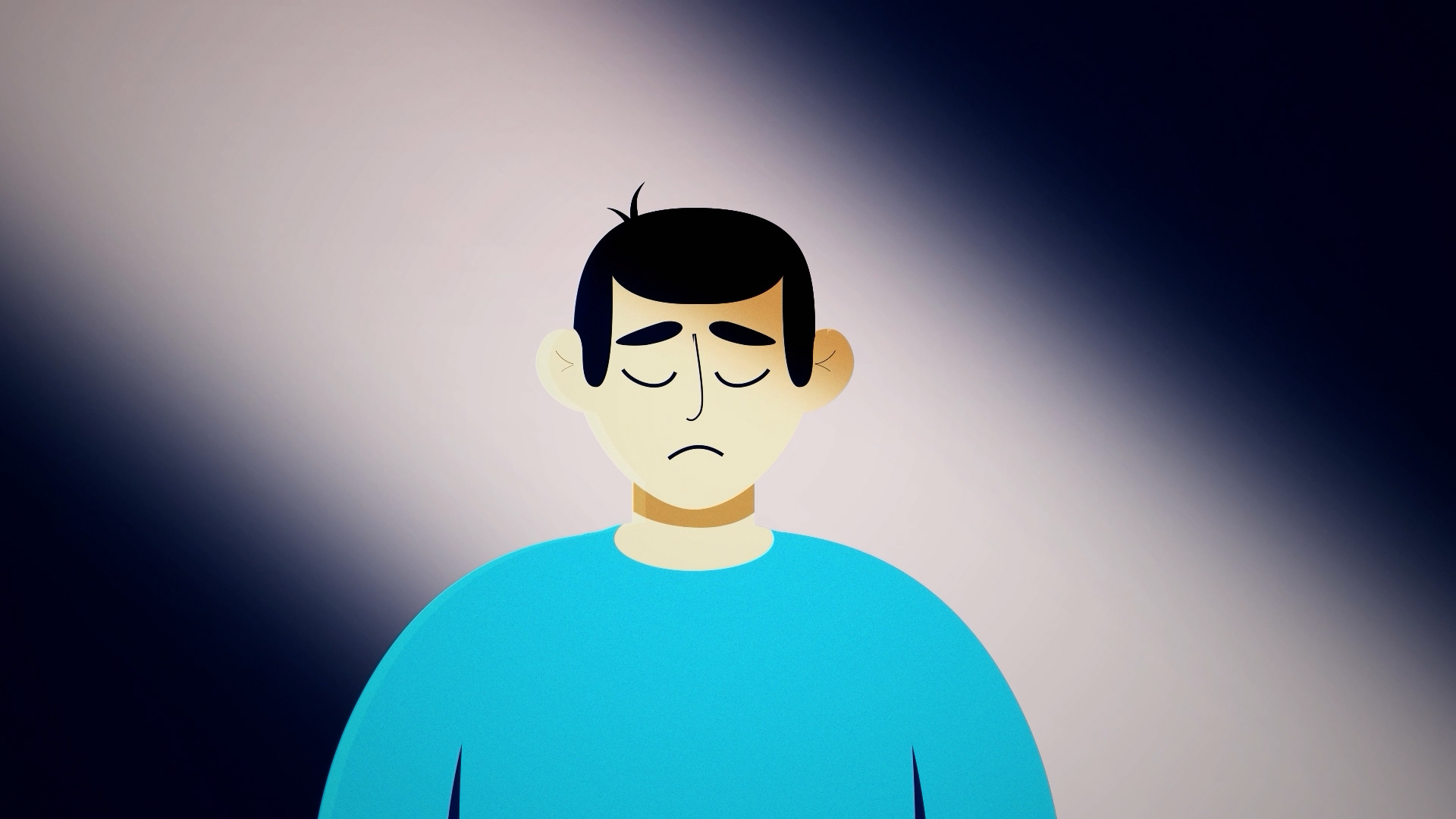

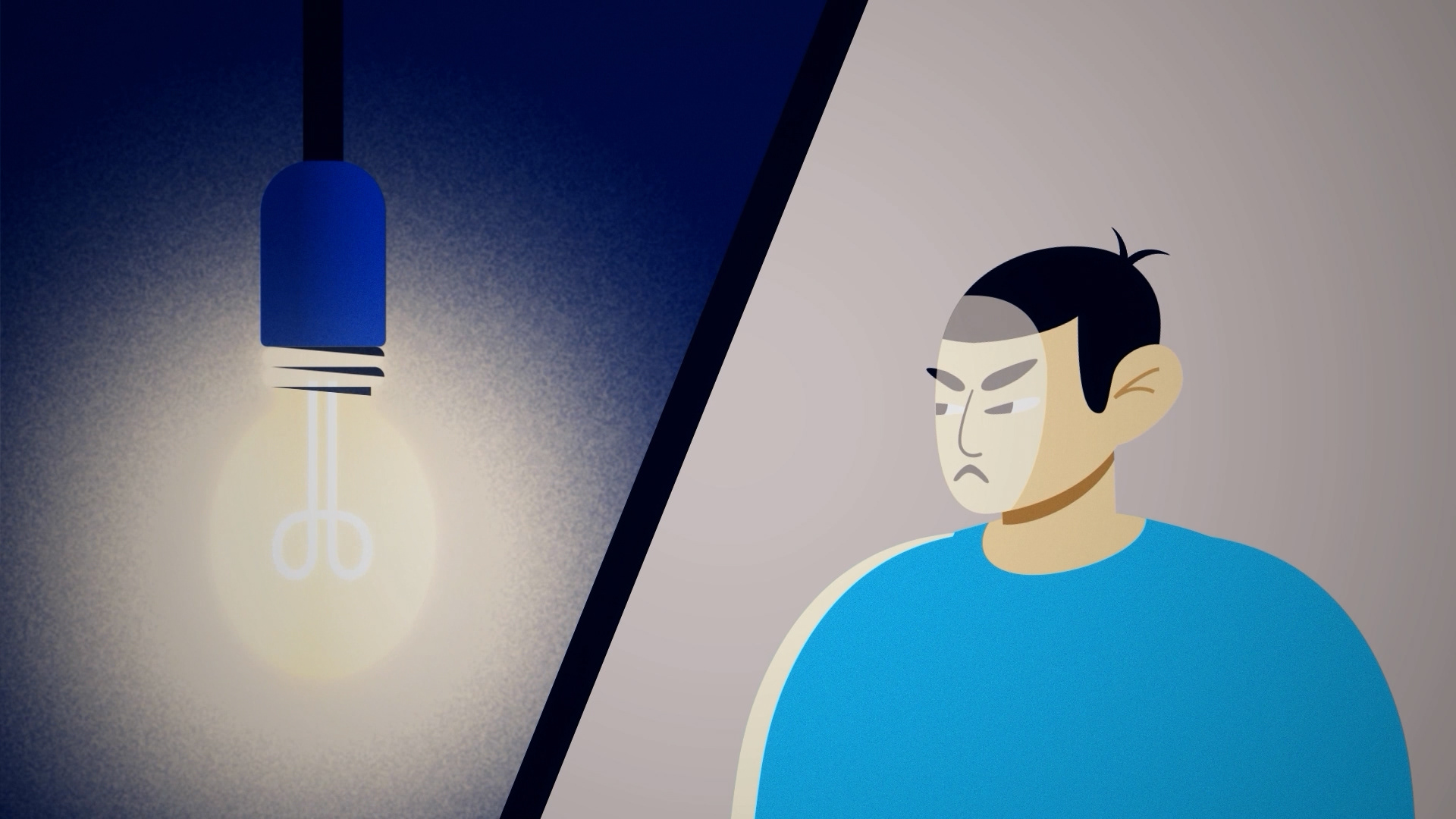

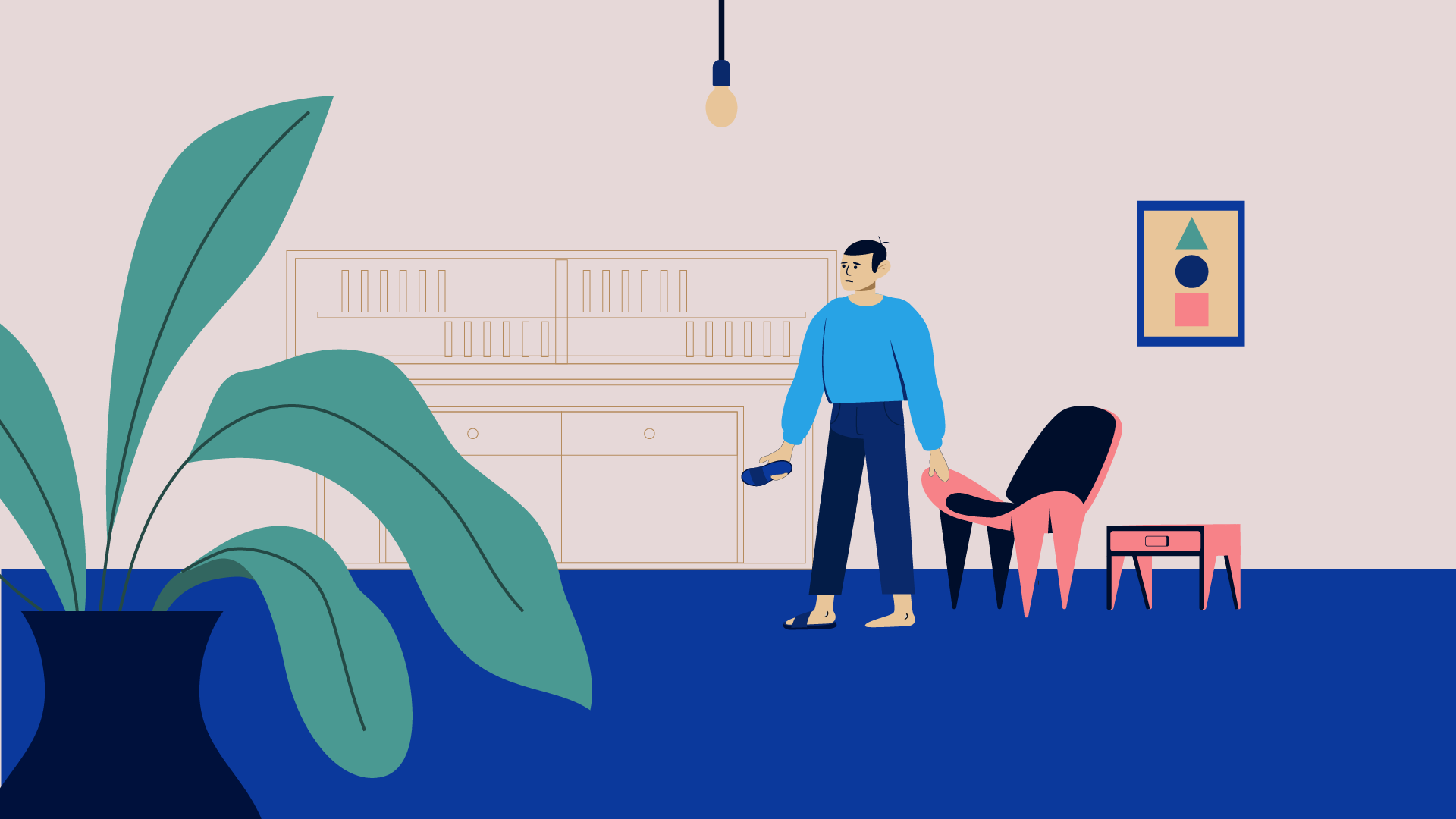
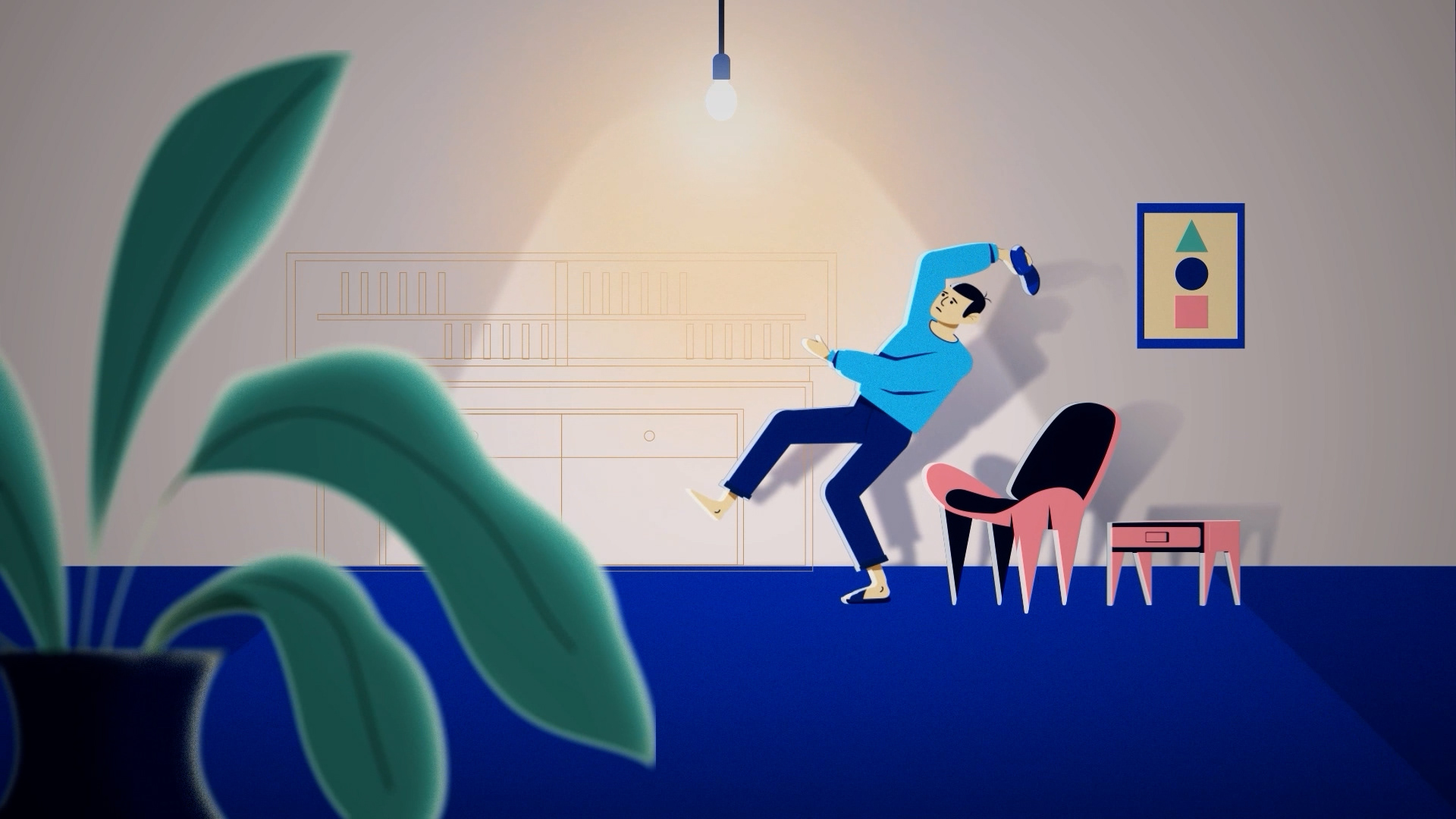


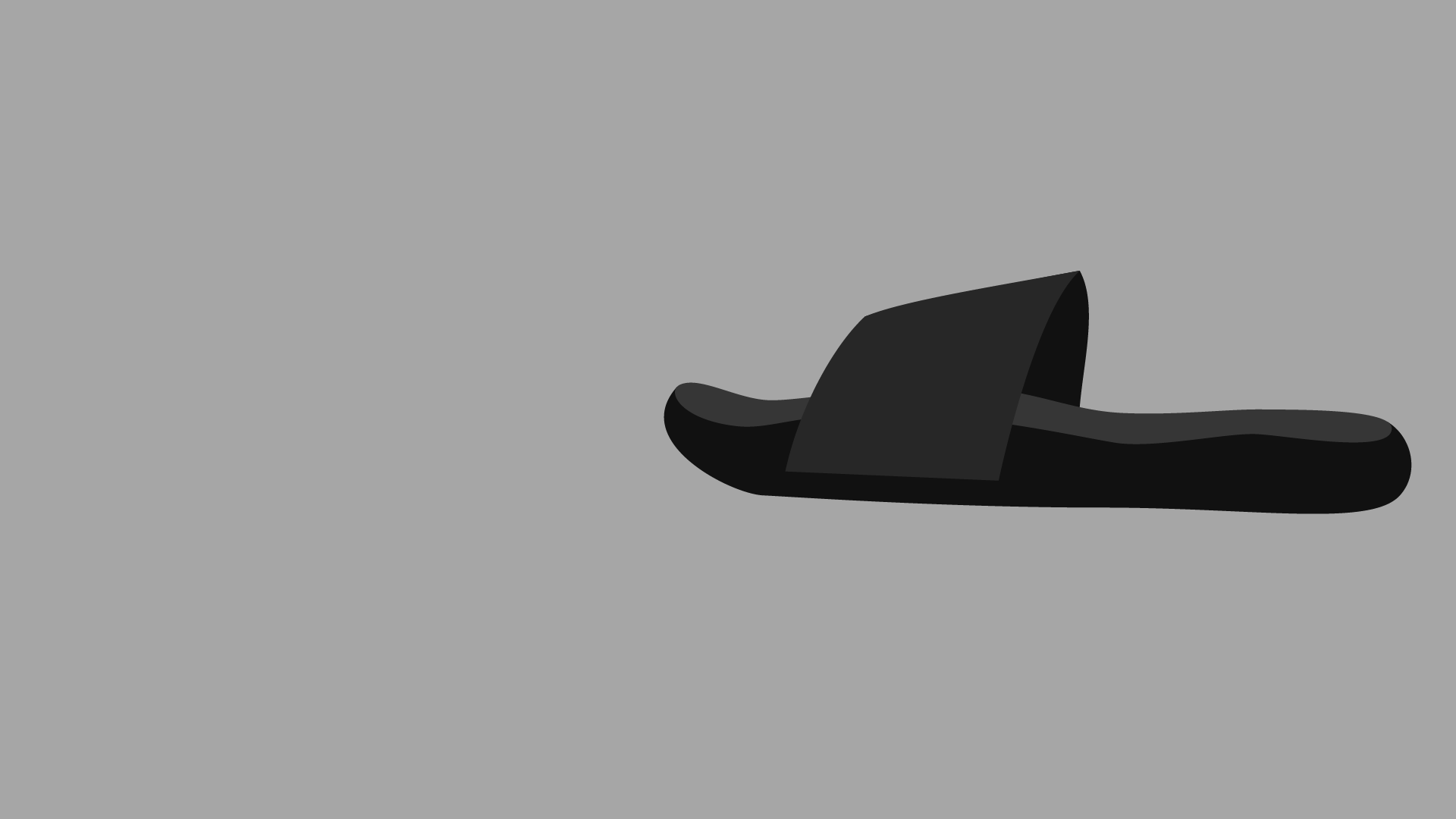
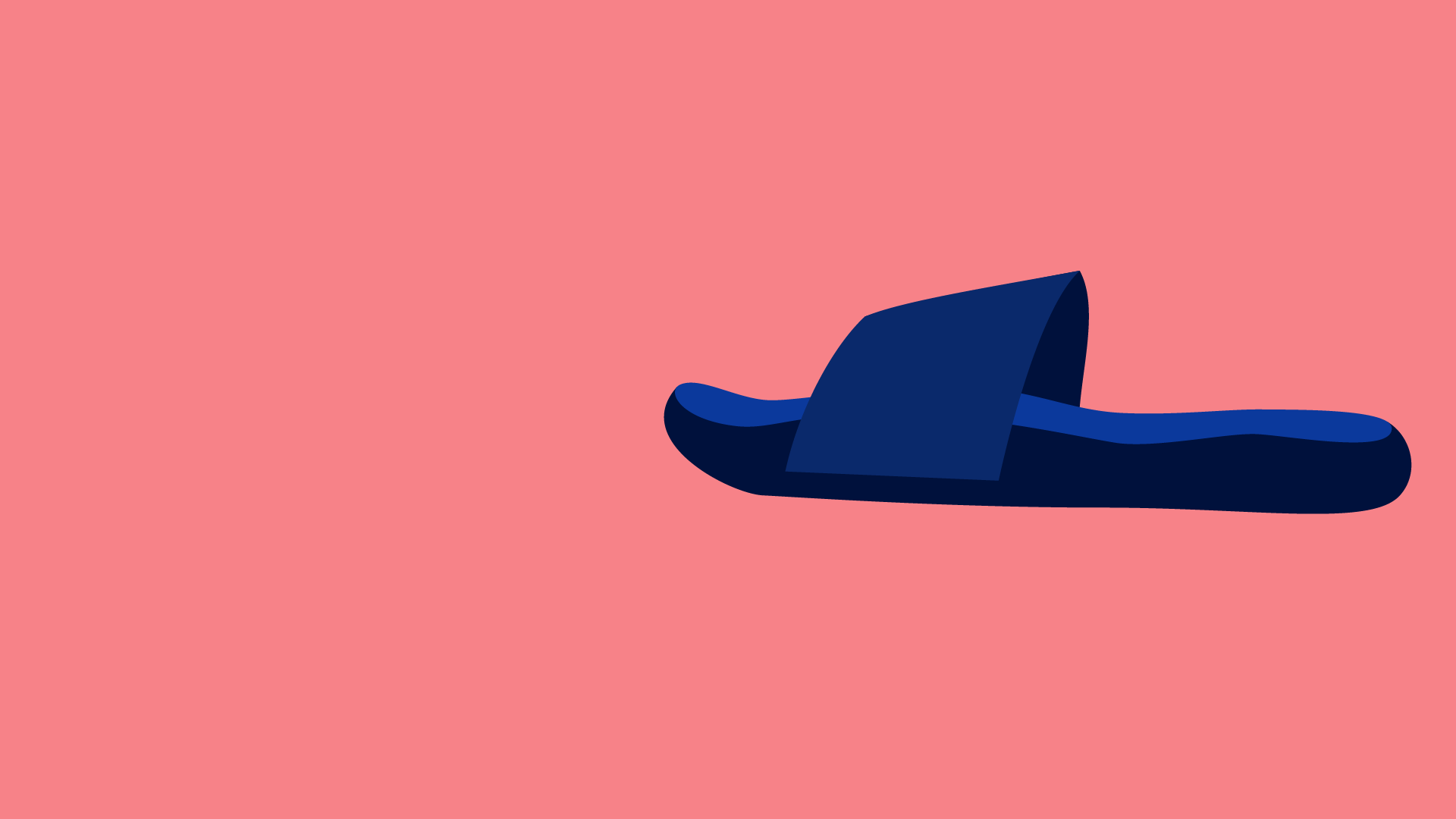
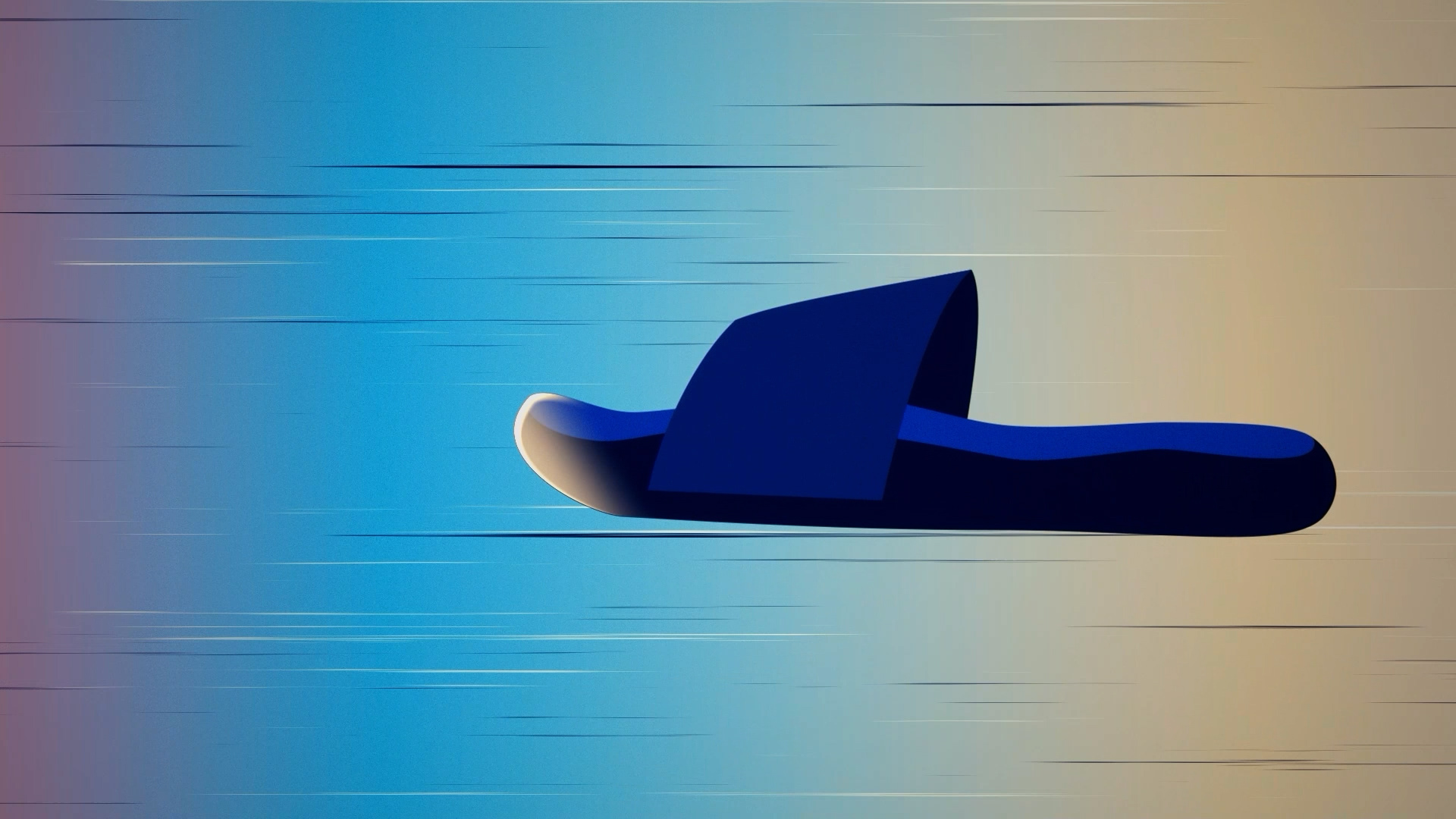
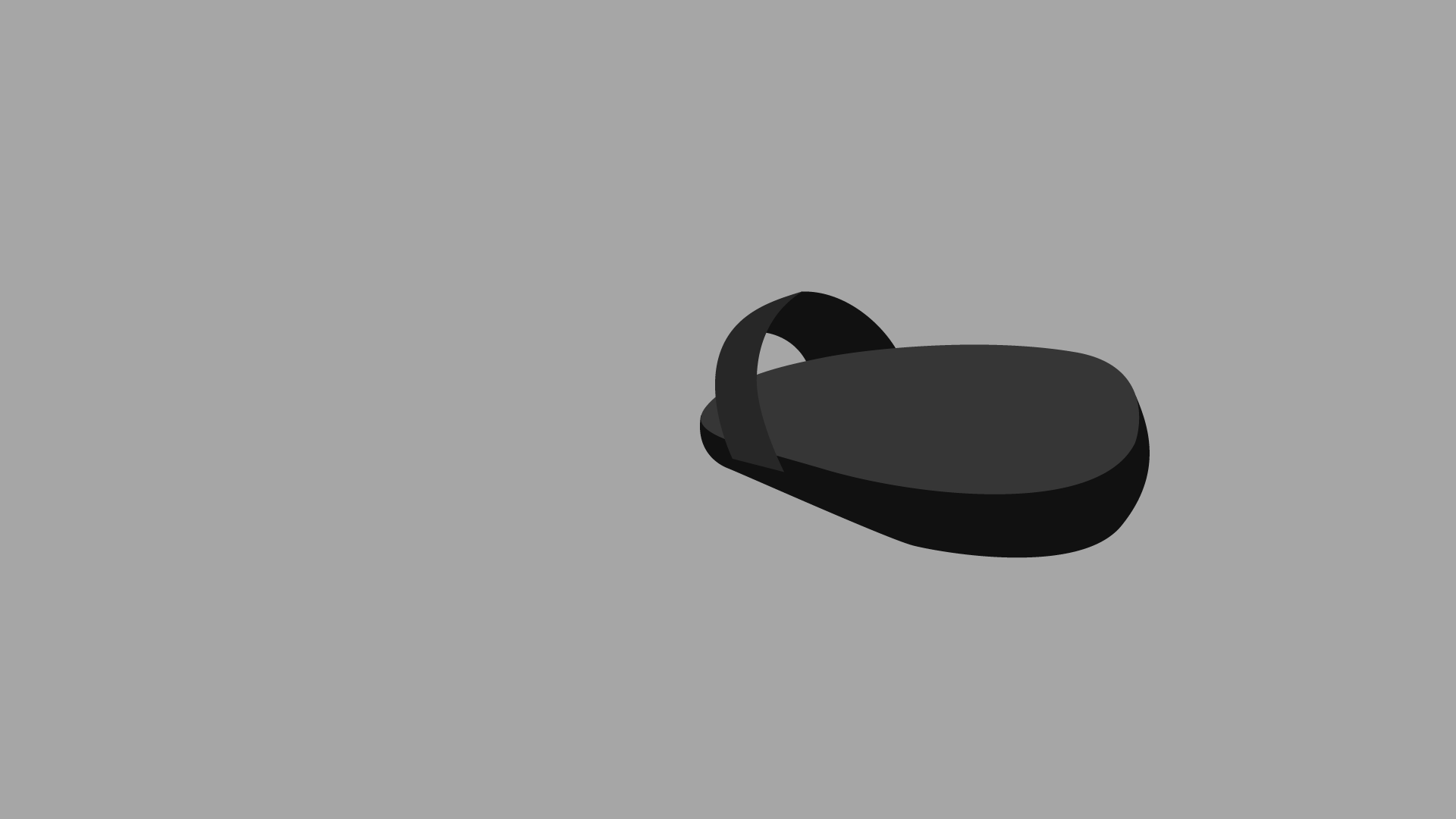
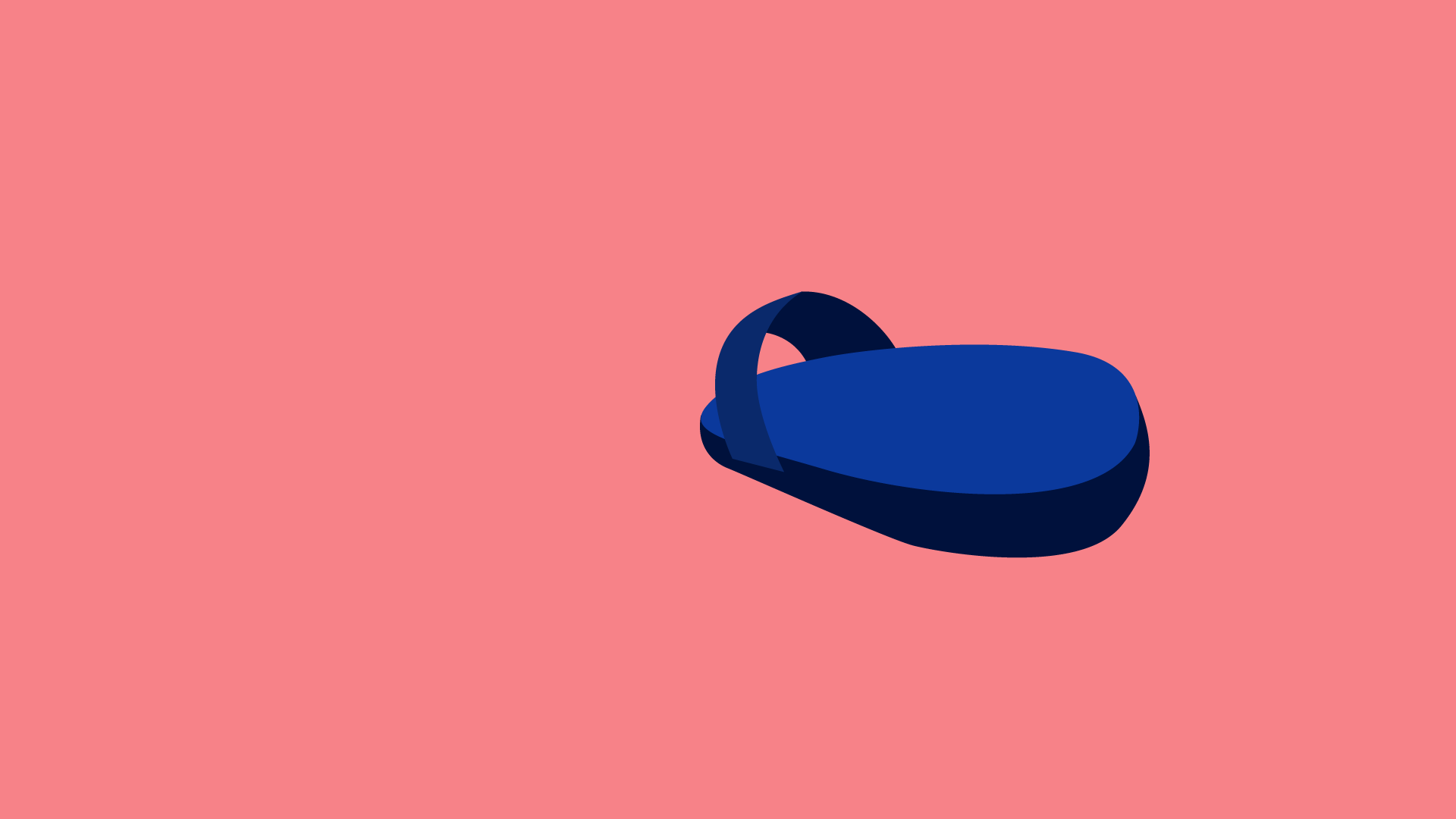
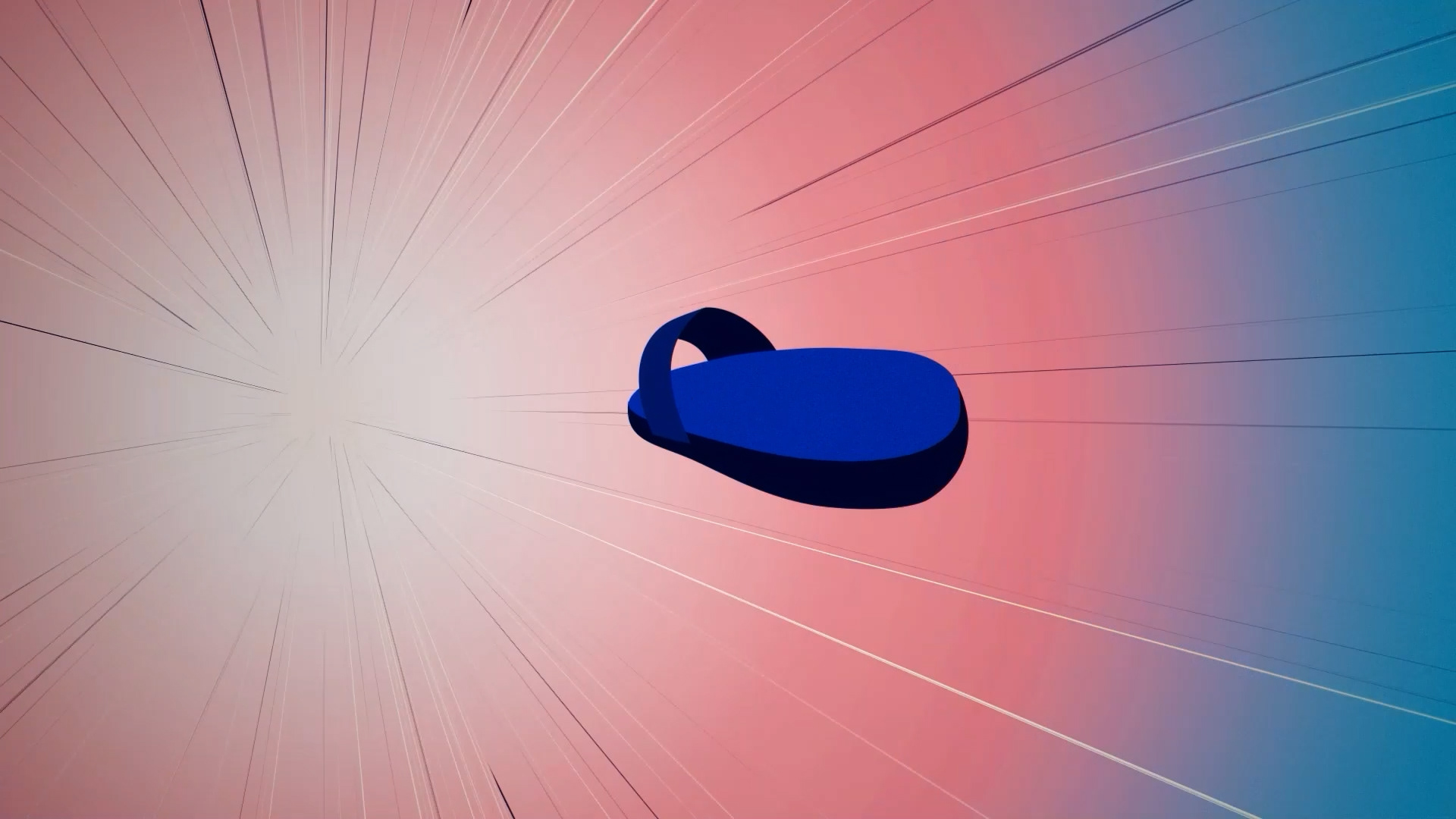

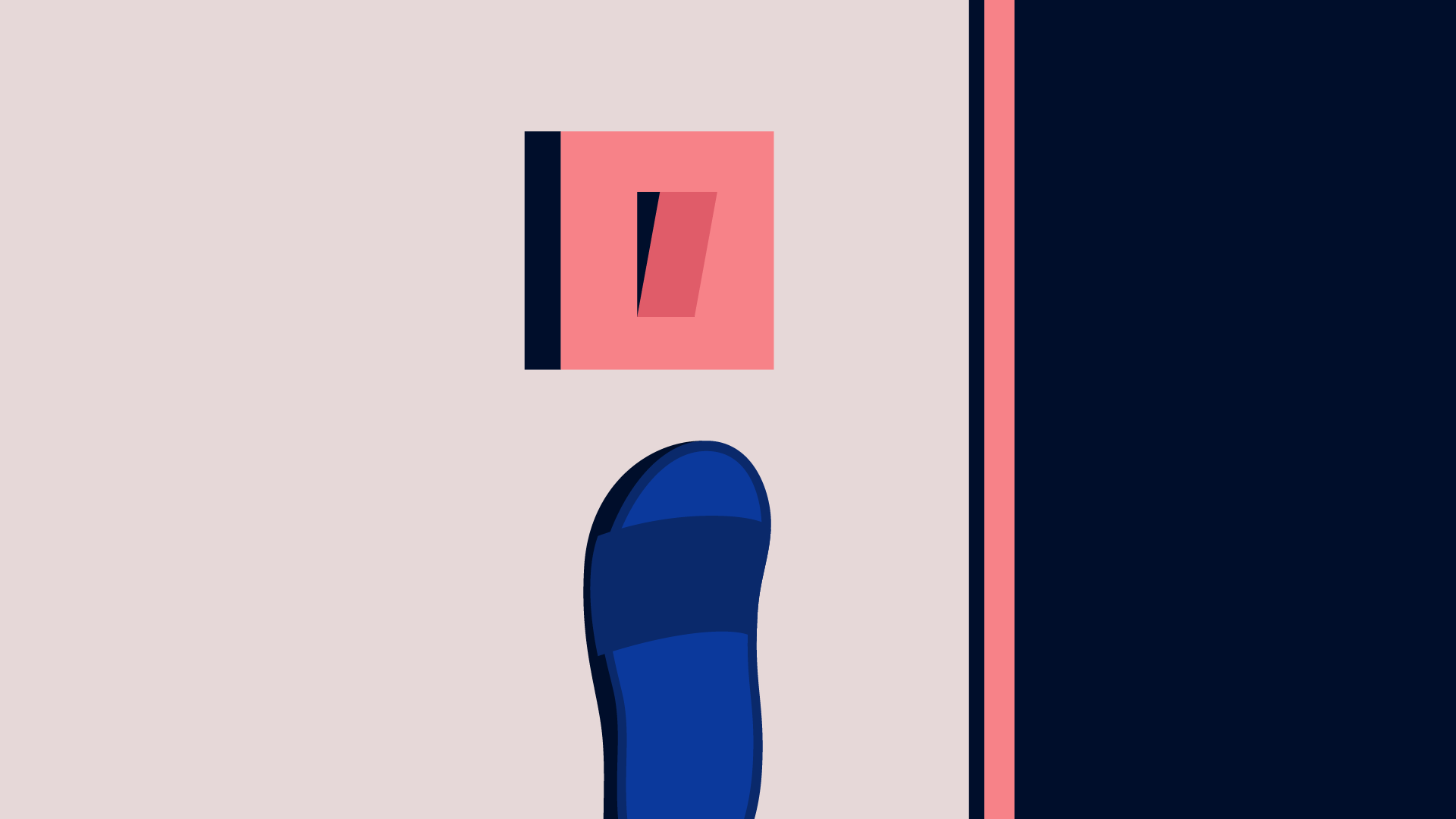
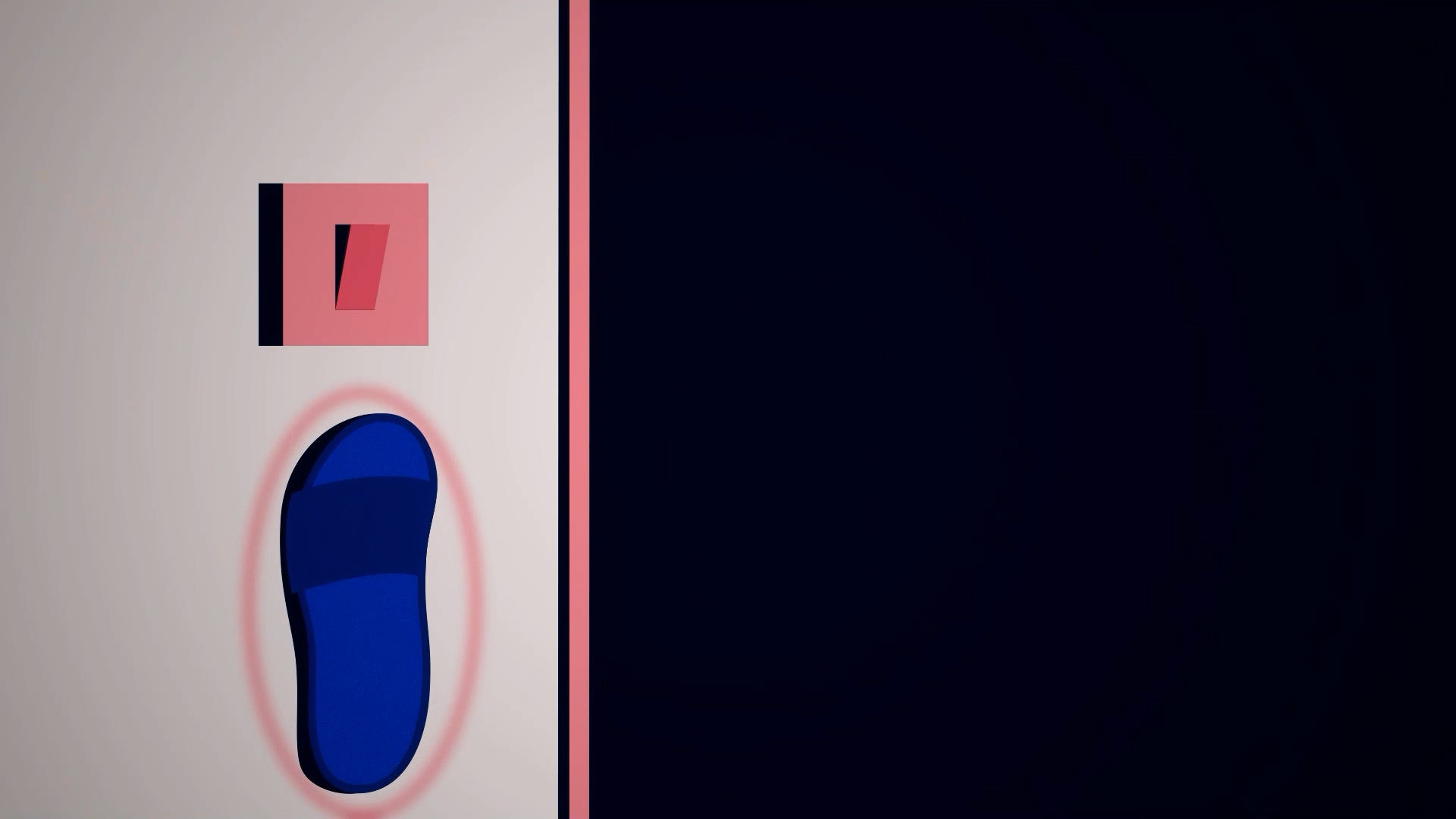
One of the most challenging and rewarding parts of this project was creating the 360° rotation of the main character.
Inside After Effects, the rotation was built using masked shape layers and carefully timed pose transitions, blended together through morphing to keep the motion smooth and continuous. I enhanced the depth illusion by combining the rotation with subtle camera movement and parallax between layers.
After extensive testing and refinement, the sequence became not just a technical showcase, but a key storytelling moment — adding cinematic impact while pushing the limits of what 2D motion graphics can achieve.